
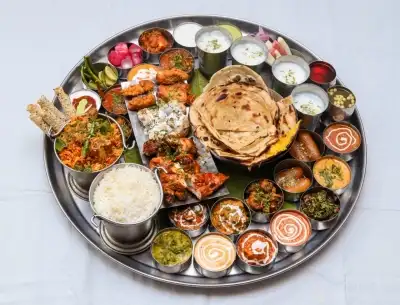
New Delhi, March 6 (IANS). According to a CRISIL Intelligence report released on Friday, there was no year-on-year change in the price of home-cooked vegetarian thali in February, while the price of non-vegetarian thali declined by 3 percent.
It was told in the report that despite the decline in the prices of potatoes, onions and pulses in February, the price of vegetarian thali remained the same because of the increase in the price of tomatoes.
Onion prices declined by 24 percent compared to last year due to higher arrivals.
Potato prices fell 13 per cent compared to last year as the crop reached the peak of harvesting and cold storage stocks from the previous Rabi season continued to be sold.
In the current financial year, prices of pulses declined by 9 percent compared to the previous year due to higher opening stocks.
The report said that the average cost of making thali at home is calculated on the basis of raw material prices prevailing in North, South, East and West India. Monthly changes reflect the impact on the spending of the common man.
The price of non-vegetarian thali has declined, mainly due to an estimated 7 per cent decline in broiler prices on an annual basis. Broiler prices account for 50 percent of the total non-vegetarian thali cost.
“The reason for the surge in tomato prices is the delay in transplanting, which affected the growth and yield of the crop. There was a 32 per cent annual decline in arrivals of the crop in the mandis between November 2025 and January 2026,” said Pushpan Sharma, Director, CRISIL Intelligence.
Vegetable prices are expected to soften in the near future. Tomato prices are likely to remain higher than last year through mid-April and then strengthen as seasonal arrivals increase and crop cycles change in the market.
“Potato prices are likely to remain low during March-April, the peak arrival season, while onion prices may remain under pressure in the next two to three months unless there is a strong growth in exports,” Sharma said.
Demand for Basmati rice may moderate in the near term due to uncertainties and potential trade barriers in the Middle East, which may put pressure on prices.
Iran accounts for about 18 per cent of India’s basmati rice exports and other Middle Eastern countries account for 55-60 per cent, so exporters are cautious about potential logistics challenges.
“However, non-Basmati rice exports, which mainly go to African countries, are unlikely to be significantly impacted,” Sharma said.
–IANS
ABS.