
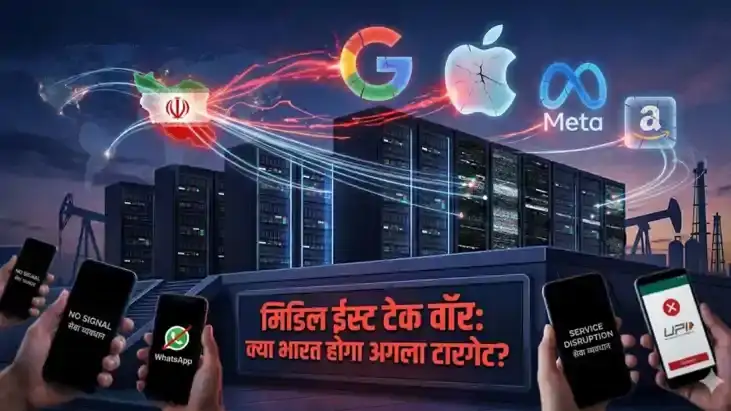
Amidst the increasing dependence on digital services around the world, the debate over internet freedom and cyber control has once again intensified. Recent reports and incidents related to Iran have raised the question whether WhatsApp, UPI and other digital services can be suddenly stopped in any country in future?
Iran has long been in the news for internet control and censorship. According to various reports, WhatsApp, Instagram and other foreign apps have been banned in the country several times, especially during political tensions and protests. Many times, the government has imposed complete or partial ban on internet services citing security reasons, which has increased the commotion in the digital world.
Can WhatsApp and UPI really be shut down?
According to technical experts, the government in any country can block foreign apps or services under its cyber rules and security policy. It has been seen before in countries like Iran that services like WhatsApp were completely stopped during internet blackout.
However, in countries like India, services like UPI and WhatsApp Pay are based on strong regulation and domestic digital infrastructure, so the possibility of a sudden shutdown is considered very low. But experts also believe that digital services could be impacted if global geopolitical tensions or cyber security threats increase.
Why did Iran’s digital model become a topic of discussion?
Iran has taken steps in the past few years to strengthen the “National Internet System” and local networks to control the Internet. Due to this, efforts are being made to reduce dependence on foreign platforms. For this reason, many times global apps were banned or their access was limited. This model is being seen as a warning to other countries of the world that if any country wants, it can impose strict control on digital platforms.
How much impact on India?
UPI in India has become the world’s largest digital payment system. Along with this, apps like WhatsApp are a part of the everyday life of crores of people. Experts say that such a sudden ban in India is highly unlikely, but changes in cyber security, data rules and international policies may affect the operation of services.