
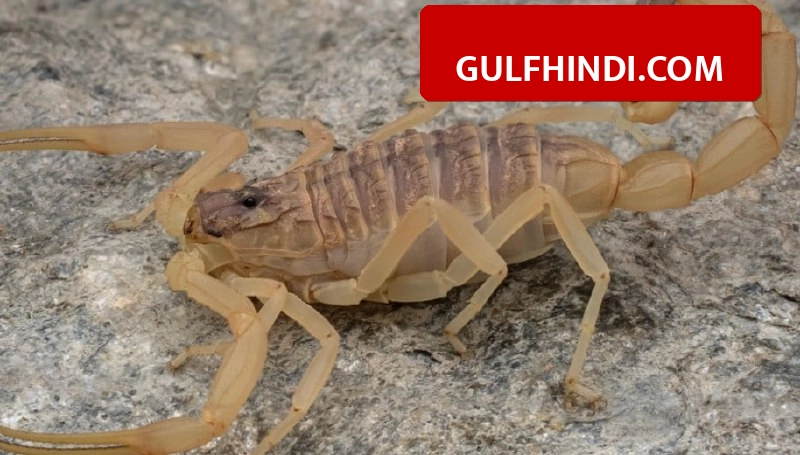
Scientists have discovered a highly poisonous scorpion in the King Salman bin Abdulaziz Royal Natural Reserve located in the northern region of Saudi Arabia. name of this scorpion Leiurus nigellus Is. The scientific record of this species has been recorded for the first time in Hail area. This discovery has been made by the Saudi research team and has also been published in an international journal. This discovery brings to light information about the undiscovered creatures present in this reserve.
🚨: Schengen Visa: Good news for those going to Europe, plan to give visa for more than 5 years.
How dangerous is this new scorpion?
According to researchers this scorpion Buthidae Belongs to the family, which are counted among the most poisonous scorpions in the world. Its poison is neurotoxic, which means it directly affects the nervous system. Its bite causes severe pain immediately.
Due to its poison, the patient may have problems like sweating (diaphoresis), very fast heartbeat and severe difficulty in breathing. Scientists say that if the poison spreads too much, the situation can become fatal due to problems in the respiratory tract. This scorpion is slim in appearance and its claws are very fine.
Where have scientists found it and what is the advice?
This discovery has been made in the Hale part of King Salman Reserve. Earlier this scorpion had never been officially seen in this area. Researchers from Saudi Arabia have confirmed this after field study and physical examination. This information came in the news on 26 February after the study was published on 25 February 2026.
Although no new strict rules or fees have been implemented yet for those visiting the reserve, experts have asked people visiting Hale and the reserve to be careful. It is advised to be extra cautious, especially at night when these creatures are more active. This reserve is the largest reserve in Saudi Arabia where thousands of rare birds were also seen recently.