
China has said that it is opening its doors to global talents in various fields to promote technical and economic progress.
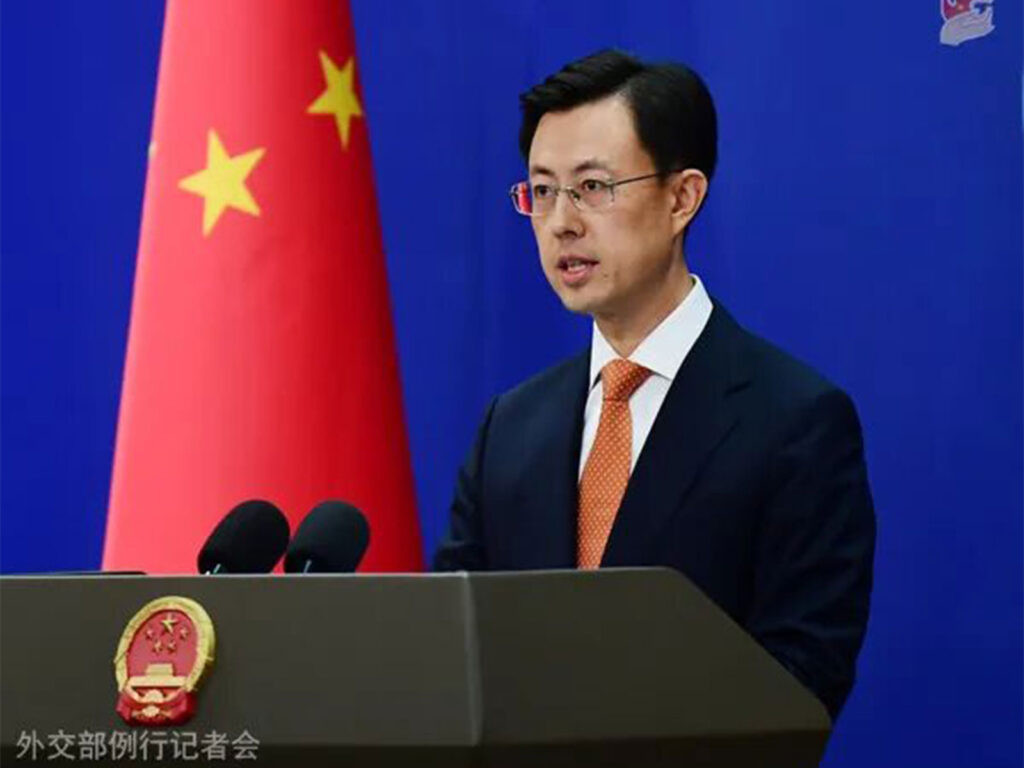
During a press conference on Monday, China’s Foreign Ministry spokesman Guo Jiakun emphasized the importance of cross -border talent exchange in the globalized world and highlighted China’s commitment to promote innovation and career opportunities for international professionals.
Guo Jiakun said, “In the globalized world, the border flow of talent plays an important role in global technology and economic progress. China welcomes the talents of different regions and regions around the world to make a place in China for the progress of humanity and career success.”
The spokesperson’s remarks came a few days after US President Donald Trump signed a big change in H-1B visa applications.
According to the announcement, now the new H-1B visa applications will levy a fee of US $ 100,000, which is much higher than the previous level of about 1,500 US dollars.
The US State Department later clarified that the new fee requirement will only apply to individuals or companies who will file new H-1B applications after September 21 or enter the lottery system. This will have no effect on the current visa holders and the applications submitted before that date.
As part of the announcement, every new H-1B visa filed after the deadline will have to pay US $ 100,000, including entries in 2026 lottery.
Earlier in August, China announced a new visa category with the aim of attracting young professionals in the fields of science and technology, which was recently approved by the State Council after the state council approved amendment to the entry and exit rules of the country.
According to the Xinhua news agency, the new visa rules will be applicable from October 1.
According to the report by the Xinhua news agency, Prime Minister Lee Kiang has signed an order to implement the new policy, which will include ‘K. Visa’ under China’s simple visa classification.
This visa will be available to the eligible youth science-technical professionals who meet the criteria set by the concerned Chinese authorities and provide the necessary documents.
Officials said during a press briefing that K. visa would provide more flexibility, compared to China’s current 12 standard visa types, including multiple entries, extended validity periods, and prolonged migration.
After entering China, the visa holders will be allowed to participate in educational and cultural exchange, scientific research, technology development, entrepreneurship and related business activities.
Significantly, the Visa does not require applicants to be invited by any Chinese employer or institute. According to the Xinhua news agency report, if applicants meet the norms of age, education and work experience, they can apply independently through a simple procedure.