
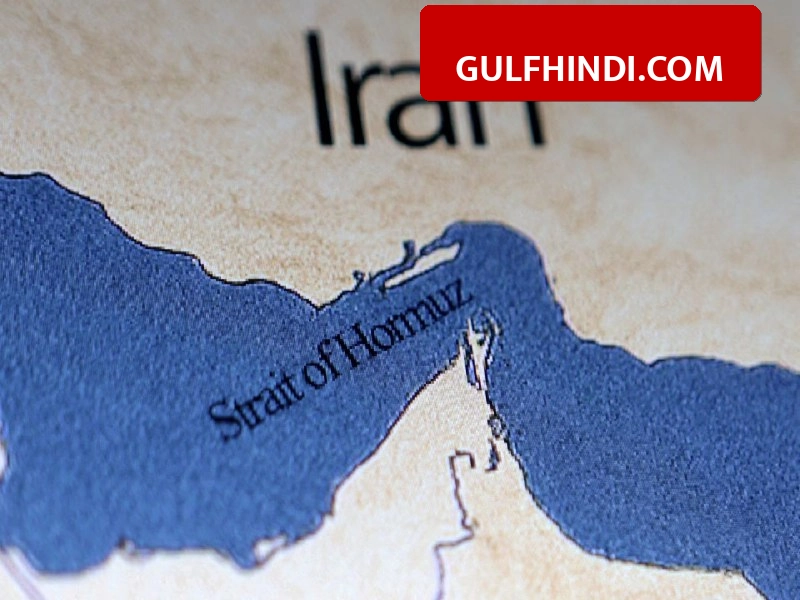
Tension in the Gulf region has once again reached a very serious point. Iraq’s armed group Kataib Hezbollah has issued a direct warning, saying that if any attempt is made to forcefully open the Strait of Hormuz, they will completely destroy all oil and gas facilities. After this threat, security concerns have increased in the international markets and Gulf countries because this sea route is considered most important for the world’s energy supply.
Why has this threat been given to blow up the oil plant?
General Abu Hussein al-Hamidawi, secretary of the Iran-backed group Kataib Hezbollah, made it clear in a statement issued on Sunday that the Strait of Hormuz will no longer be opened to ‘enemies’. Giving a slogan of ‘security for all or none’, he said that if force is used, energy facilities will be targeted. Meanwhile, the Iranian Navy has also claimed that such changes have now taken place in this sea route which cannot be changed, especially for countries like America and Israel, the situation will no longer be the same.
What is the stand of America and other countries on this?
US President Donald Trump has given a stern warning to Iran, saying that if the Strait of Hormuz is not completely opened, he will launch strong attacks on Iranian energy bases. America has set a deadline of April 7, 2026. Gulf Cooperation Council (GCC) countries are also increasing their security capabilities and the United Nations has also formed a task force in this matter to protect humanitarian needs and trade.
Recent developments and important information
Some key points and dates related to this entire controversy can be understood in the table given below:
Date Main event 5 April 2026 Kataib Hezbollah warned of destroying oil and gas facilities. 5 April 2026 Iran’s Supreme Leader talked about continuing to threaten sea vessels. April 7, 2026 is the last deadline given by Donald Trump to stop the attacks. 31 March 2026 American journalist Shelly Kittleson was kidnapped in Baghdad. 30 March 2026 Iran’s Parliament passed a bill demanding payment from ships passing through the sea route.
The increasing tension in the Strait of Hormuz may also have a direct impact on Indian expatriates living in Gulf countries. If oil and gas supplies are disrupted, prices of daily-use goods may increase and job markets may also come under pressure. At present, 36 countries have condemned Iran’s efforts to close this route and the international community is appealing to maintain peace.