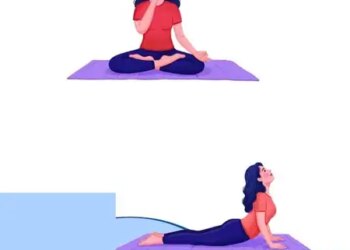
New Delhi, January 18 (IANS). The history of yoga in Indian culture is about 5000 years old. The word ‘Yoga’ comes from the Sanskrit word ‘Yuj’, which means ‘to join’ or ‘to meet.’
Yoga is mentioned in ancient texts like Rigveda, which states that yoga not only increases physical strength but also provides mental peace, meditation and self-awareness. With time Yoga spread not only in India but throughout the world and today it is known as ‘Yoga’.
Yoga is not just the practice of asanas, but it is also very important to follow some rules.
The first rule is cleanliness of body and mind before doing yoga. Before starting yoga, not only the body should be clean, but the surrounding environment should also be clean. This is important because cleanliness keeps the mind calm and it is easier to concentrate.
The second rule is to do yoga asanas on an empty stomach. Doing yoga immediately after eating puts pressure on the stomach and does not provide the proper benefit of the asanas. If you feel weak, you can drink lukewarm water mixed with some honey.
The third rule is emptying of urine and intestines. This gives relaxation to the body and does not cause any kind of discomfort while doing yoga.
The fourth rule is to start yoga with prayer or worship. By doing this, good thoughts come to the mind and it becomes easier to mentally prepare for yoga.
The fifth rule is to do yoga slowly and cautiously. The pace of yoga should not be fast. By doing asana slowly, muscles and joints can be protected from injury and physical benefits are also better.
The sixth rule is stretching and warm-up. Doing light stretching before starting yoga warms up the muscles and reduces the chance of injury.
The seventh rule is to practice correct technique and posture. It is important to learn any new yoga asana carefully while doing it for the first time. Wrong posture can cause harm to the body.
The eighth rule is to wear proper clothes. It is important for yoga to wear loose and comfortable clothes so that the body gets complete freedom while doing asanas and blood circulation occurs properly.
The ninth rule is to pay attention to the breath. Breath control is very important in yoga. Breathing correctly maintains energy balance in the body and provides mental peace.
The tenth rule is to take rest after practicing yoga. After all the asanas, it is important to give rest to the body and mind. Due to this, there is no tension in the body and one gets the full benefits of yoga.
These rules of yoga not only enhance physical health but also maintain mental and emotional balance. This provides relief from problems like stress, anxiety and fatigue.
—IANS
PK/AS