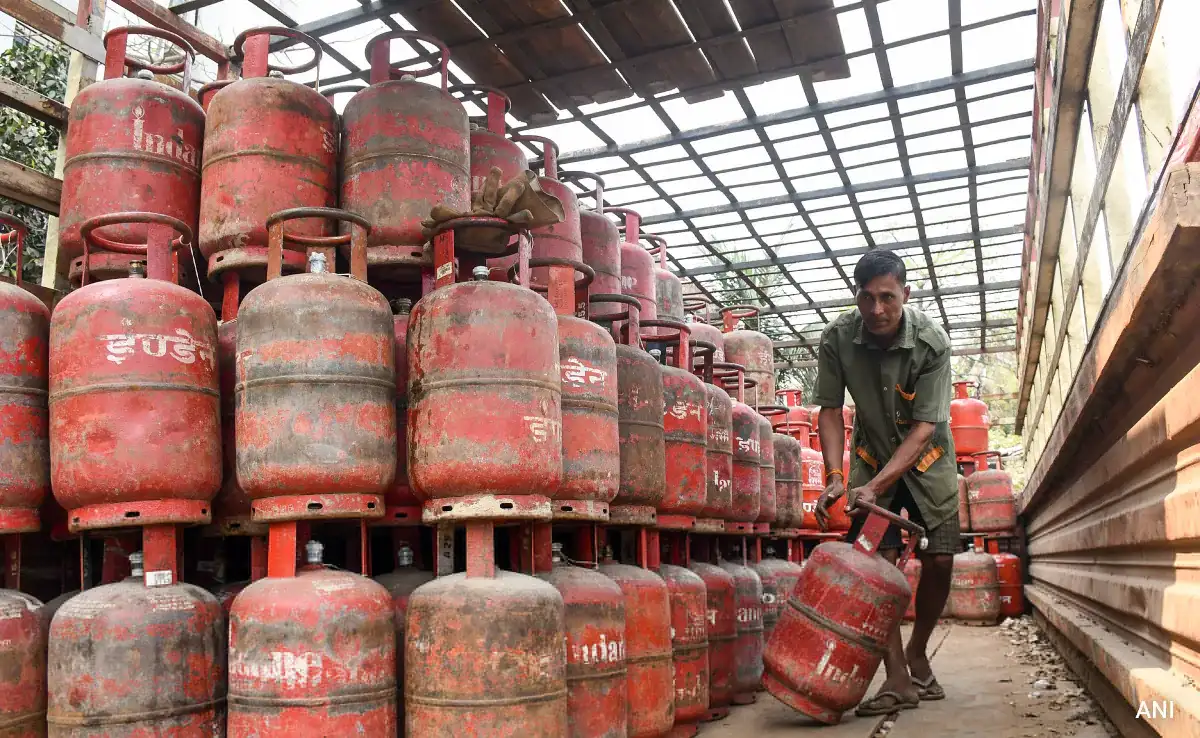
Increasing tensions in the Middle East have increased uncertainty in the global energy market. Following threats from Iran, there is a possibility of an impact on oil and gas supplies through the vital Strait of Hormuz. Its impact is also being felt in India, where the supply of commercial LPG cylinders has reduced. Due to this shortage, about 20 percent of hotels in Mumbai have had to be closed.
How big a buyer of LPG is India?
It is important to understand how big a consumer of LPG India is and what steps have been taken to deal with the current crisis. India, which uses more than 30 million tonnes of LPG, has invoked the Essential Commodities Act to maintain LPG supplies. About 31.2 million tonnes (about 31.3 million tonnes) of LPG is used every year in the country. Of this, about 60 percent is imported, while about 40 percent, or about 12.4 million tonnes, of LPG is produced in the country. 14 kg cylinders account for about 87 percent of domestic consumption, while 19 kg cylinders account for about 13 percent of commercial consumption.
Which countries does LPG come from?
Most of India’s LPG supply comes from West Asia. This sector accounts for about 80 percent of total imports. Of this, about 26 percent comes from the UAE, 22 percent from Qatar and about 22 percent from Saudi Arabia, while the remaining 33 percent is imported from other countries. How many consumers are there in India? According to the data of March 2026, there are about 330.8 million active LPG consumers in India.
On March 7, the government decided to increase the price of domestic LPG cylinders by ₹60 per cylinder, taking the price to around ₹913 in New Delhi. Right now, around 105 million people are beneficiaries of Pradhan Mantri Ujjwala Yojana. Under this scheme, they get a subsidy of ₹300 per cylinder, which means the total payment per cylinder will be around ₹613.