Published: September 19, 2025 10:43 PM
New Delhi. Hyderabad’s performance artist Ramani Malwarpu on Friday inaugurated his Solo exhibition Roots to Reverse at Bikaner House, Kalamkar in New Delhi. The exhibition includes his eight years of artworks, including social concerns and feminist views clearly. It features popular chains such as the Voice of Waves (based on the fisherman community of Uppada), Invisible Roots (with Araku tribes), Panchkanyas and Mona Lisa with Masks. The exhibition ends with his latest functions based on the Manas region of Assam, which show layers of memory, resistance and environmental consciousness.
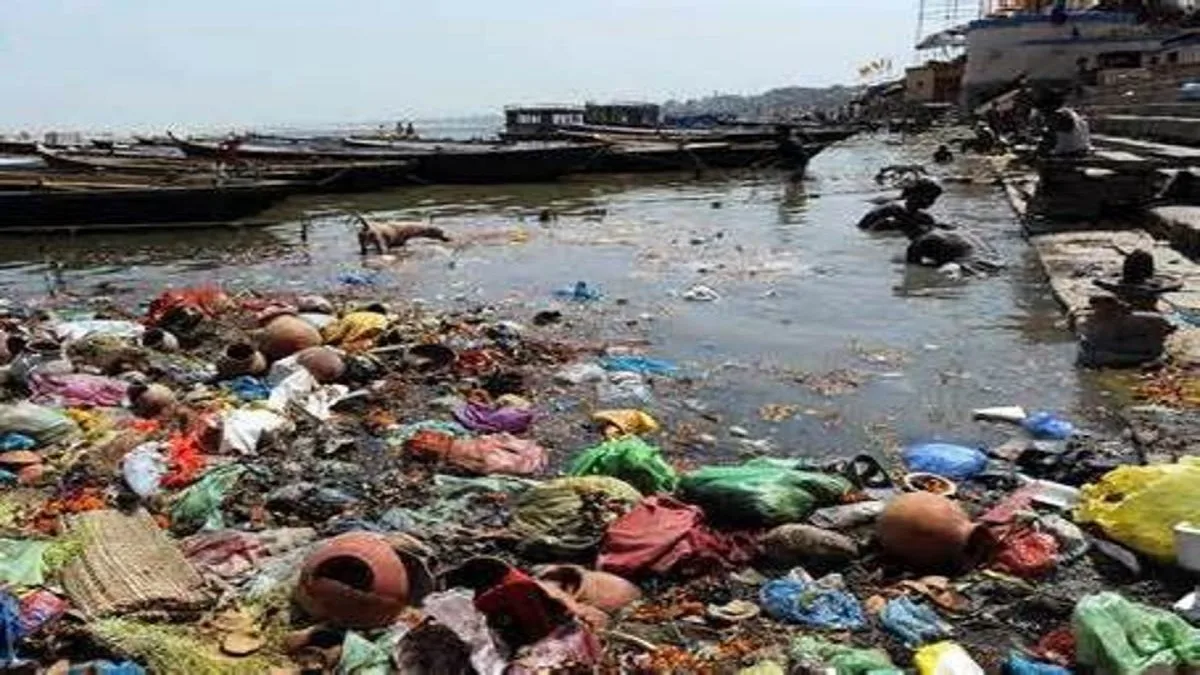
At the inauguration, Malwarpu presented a live performance called Pluse. In this, he took the form of a passenger, who performs rituals on the banks of the symbolic river, carrying the burden of ‘Muta’ (bundle) on his shoulders. By pouring garbage in it by the audience, it slowly suffers from the knee-it was a strong symbol of the reality of pollution of the necks. At the end of the performance, the artist freed himself from this waste and returned to the role of the river’s patron, giving a message that water conservation was a common responsibility of citizens, industries and institutions.
Among the special guests, senior signatures of the art world were present Mr. Sanjay Roy and Mr. Niran Sengupta.
Sanjay Roy said, “Ramani’s art creates a unique bridge between personal and collective experiences. In his performance, you not only see the artist working, but feel directly the restlessness and worries of the society. This is the greatest strength of their art – that does not limit the audience just to see and react, but every presentation is for the society. Makes. “
Niran Sengupta said, “There is a spiritual depth in Ramani’s works, which touches the senses of human life deeply. I felt pain and expected when she was suffocating in the garbage by looking at the plunges. No, but she warns us that art also means responsibility. ”
Regarding his performance, Ramani Malwarpu said, “Pluse is a personal journey for me and social call. The suffocation I felt during this performance is really nothing compared to the pain of rivers. The rivers are struggling with the waste and pollution we have dumped every day, and we keep looking at the arts. I want to see the arts, I do not want to see the arts, but we do not want to feel that the audience does not see it. Protecting water is not an alternative but our common responsibility will never forgive us if we do not warn in time. ”