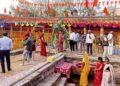
In Hindu religion, the tradition of taking off shoes and slippers before going to the temple has been going on for centuries. This is not only a social rule, but it is also considered to have deep religious, spiritual and scientific significance behind it. Even today, devotees follow this tradition in almost all the temples across the country. But have you ever wondered what is the real reason behind this?
According to religious belief, the temple is considered a sacred place of the deity, where there is immense transmission of positive energy. There is a belief that when a person enters the temple with dirt and dust from outside, it can affect the purity of the temple. Therefore, before entering the temple, a tradition was created to bring the body and mind to a pure state by taking off shoes and slippers.
It is also said in the scriptures that while worshiping God, one should follow purity and concentration. By wearing shoes and slippers, a person not only brings in external dirt, but it is also believed that it can disturb the concentration of the mind. By entering the temple barefoot, a person’s attention remains more focused on worship and he appears before God with humility.
Another religious belief is that shoes and slippers are considered a symbol of ego and worldly attachments. When a person leaves these outside and enters the temple, it shows a feeling of humility and dedication within him. This tradition reminds one that everyone is equal in the temple and no material thing or ostentation matters there.
From a scientific point of view, reasons related to cleanliness and health are also considered behind this tradition. Taking off shoes and slippers reduces the possibility of dirt, bacteria and dust entering the temple premises. Additionally, walking barefoot gives the body contact with the earth, which is called grounding or earthing. This helps in maintaining positive energy balance in the body.
Temples often have marble or cool surfaces, on which walking barefoot is also considered physically comfortable and cooling. This is the reason why this tradition becomes important from religious as well as practical point of view.