
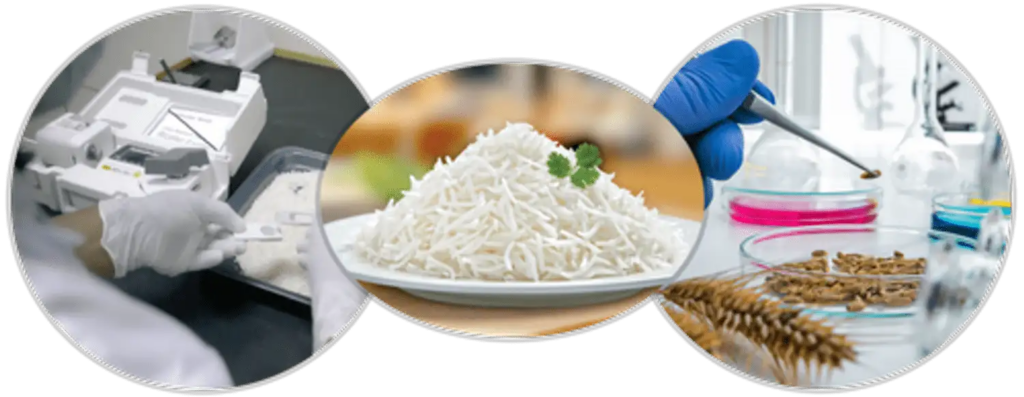
In India, rice is not just a food item; It is an important part of our everyday life. It is a common thing to have white rice in every meal, but this old habit is about to change. Scientists have created a new variety of rice called “CSIR Designer Rice”. Not only does it taste like traditional rice, but it has also been formulated to provide even more health benefits.
Unlike traditional varieties, this rice is not cultivated in common fields, but is created in a lab. A special technique is used to make it, which is called ‘extrusion technique’. The aim of this technology is to reduce the glycemic index (GI) of rice as well as increase the protein content in it. This means that this rice does not suddenly increase the sugar level in the blood, but releases glucose gradually. Besides, it also provides more protein to the body. How is this lab-grown rice different from regular rice, and is it really a good option for health?
How is this rice made?
The method of making CSIR designer rice is completely different from the traditional rice growing methods. The process begins by grinding rice flour and then mixing it with proteins extracted from the rice itself. This mixture is then passed through “twin-screw extrusion” technology. During this process, the mixture is passed through a metal mold (die) at very high temperatures and pressures, causing it to take the shape of rice grains. The biggest advantage of this method is that the grains produced by it look exactly like polished white rice, but they contain much more nutrients. Anandramakrishnan, director of this research project, says that no chemical or adulteration of any kind is used in this process; This is completely a physical change.
How is this lab-grown rice different from common rice?
CSIR designer rice grown in the lab is quite different from ordinary white rice in many ways. The most special thing about this designer rice is its low glycemic index (GI). Regular white rice is digested too quickly, causing blood sugar levels to rise suddenly—and this may increase the risk of type 2 diabetes and obesity. But, this designer rice solves this problem. It contains high amount of protein, due to which carbohydrates are digested slowly. In this way, it prevents the sugar level in the blood from increasing suddenly. Regular rice contains about 6–8 percent protein, whereas in this “designer rice” the protein content has been increased to 20 percent. This protein is made from pure protein extracted from rice itself, making it plant-derived and allergy-free. However, some nutritionists point out that the quality of this protein is not completely balanced. Rice protein does not provide a complete profile of amino acids; Therefore, it provides the greatest nutritional benefits when consumed in combination with other sources of protein.
Is it healthy?
CSIR designer rice is slightly healthier than traditional white rice, primarily because it has a higher protein content (about 20 percent) and a lower glycemic index. This ensures that blood sugar levels rise slowly, which may reduce the risk of diabetes or obesity. Although it is made using plant-derived and allergen-free proteins, the fact that it has been recreated in a laboratory means it is classified as an ‘ultra-processed’ food; Furthermore, as mentioned earlier, its protein profile is not perfectly balanced. As a result, while it would be beneficial to include it in a balanced daily diet, it cannot be clearly described as a “super-healthy” option.
From lab to market
CSIR has licensed this technology to Tata Consumer Products and SS Soul Foods (Chennai-based). These companies will be responsible for marketing, pricing and distributing the product in the market. The extent of its reach and availability in the market will ultimately depend on its price.