Source: UN News: Sunday, March 01, 2026 00:01 AM
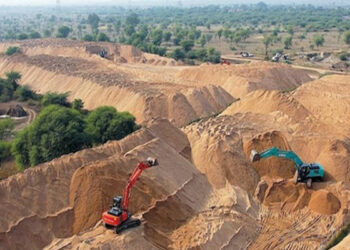
UN experts have warned that lucrative illegal trade and trafficking in waste products, including toxic substances, could now expand across continents due to weak regulation, sophisticated criminal gangs and corruption. United Nations Office against Drugs and CrimeUNODCA new report released on Wednesday sheds light on this global underground crisis. The report estimates that the illegal trade generates profits of up to US$18 billion each year, and covers all regions of the world. Tweet URL
However, there is very limited data available outside Europe. Serious Public Health Implications The size of the global legal waste management market is projected to grow to approximately US$1.2 trillion by 2024, up from US$410 billion in 2011. Candice Welsh, Director of Policy Analysis and Public Affairs at UNODC, said this is not a theoretical problem, but a serious one. There are public health impacts because it is causing toxic pollution in drinking water, oceans and soils. The agency also said that companies’ involvement in waste crime and trafficking is common, with some companies not following regulations, some knowingly providing illegal services, while some even conduct illegal activities in parallel. The report noted that the least valuable or most difficult to dispose waste flows from wealthier areas to poorer areas. In addition to e-waste, which is one of the fastest growing sources of waste in the world, mass-produced goods have also been found to be vulnerable to exploitation by organized criminal gangs, such as solar energy panels. Only about a fifth of environmental waste is managed in an environmentally friendly way, according to 2022 data, UN experts have warned. Report According to the UN, illicit traffickers capture $28 billion of the $91 billion that could be recovered from these raw materials (such as iron, copper and gold), making the situation a major obstacle to economic stability and sustainable development. Experts say the illegal waste trade damages ecosystems, increases health risks and creates inequality in destination countries. It also undermines governance, promotes corruption, and The authors of the large-scale trafficking report said that “most[organized crime groups]are quite knowledgeable about laws and regulations, as waste trafficking requires a high level of expertise.” This means that these groups choose places where regulations are weakest and penalties are lowest. The report also noted that to coordinate the different stages of crime activities such as waste collection, export, import, distribution and disposal Complex operational arrangements are used, often run by different operators in different countries. UNODC, citing Interpol’s investigation, said waste smugglers are active at the local level, and are also involved in large-scale trafficking across continents. The report said that when criminal gangs set up under legal shell companies, they conduct their illegal activities, such as dumping liquid waste into rivers or lakes. Disposing of waste is also a favorite strategy of smugglers, allowing them to outcompete legitimate competitors when bidding for waste disposal contracts. “In some cases, waste smugglers control the entire process, from the export country to the import country, and have substantial human and financial resources at their disposal,” the report quoted Europol as saying. Are.” UNDP India Loopholes in Laws UN experts say loopholes in waste disposal laws benefit organized criminal groups. Limited enforcement, lack of monitoring and low penalties also make it easier for smugglers to operate globally. The impact is visible in the European Union, where demand for illegal waste disposal is rising due to stricter regulations and rising costs of legal disposal. UNODC also highlighted the conditions of many informal waste workers who work at waste sites and who may suffer serious negative health effects.