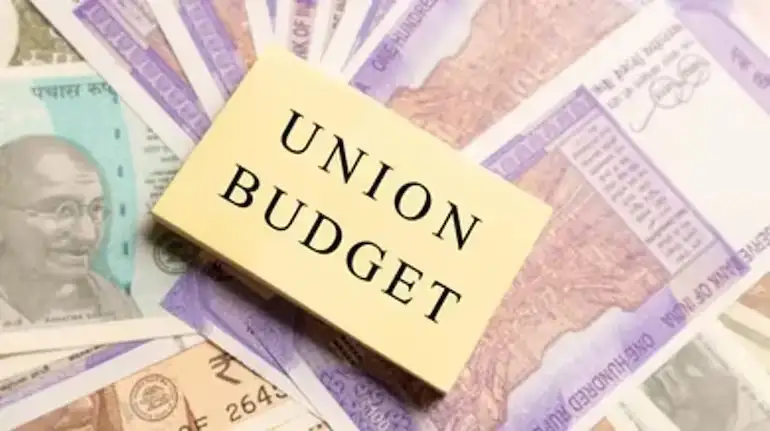
In India, the budget is not just a statistical document; It decides in which direction the country’s economy will go in the coming year. Every year, the central government presents the budget in the Parliament. In this, the government makes it clear how much money it earned in the last financial year and where it was spent. It also gives details of its estimated income and expenditure for the coming year. Through the budget, the government presents its economic vision, policies and priorities. The budget decides how much importance will be given to various sectors like agriculture, education, health, infrastructure, defense and social schemes. Therefore, the Budget is very important for everyone, from common citizens to industry and international investors.
Why is budget important?
The biggest objective of the budget is transparency. Through this, the government tells the public how the money collected from taxes and other sources is being spent. It also clarifies the current state of the country’s economy and the challenges that the government is preparing to tackle. The budget sets development goals and shows the government’s commitment towards employment, inflation control, investment and growth. On the international stage, the budget also reflects the economic credibility and vision of the government.
long budget making process
The budget is not prepared overnight. Its preparation begins several months in advance and involves consultation with various ministries, experts and institutions. This entire process is mainly led by the Department of Economic Affairs of the Finance Ministry.
The process starts with the budget circular
Around August or September, the Finance Ministry sends a Budget Circular to all ministries and government departments. The circular requests them to submit their expenditure estimates and detailed plans for the next financial year. After this, each ministry prepares its budget demands based on its needs and proposed schemes.
Consultation with ministries
In October and November, the Finance Ministry holds meetings with various ministries. In these meetings it is decided how much budget will be allocated to each ministry. These meetings often involve lengthy discussions and negotiations, as each ministry wants maximum funds for its schemes. This process is usually completed by the end of November.
draft budget
By the end of November, the government prepares an initial outline of the budget, which includes rough estimates of revenues and expenditures. Based on this, a first draft of the budget is prepared and presented to the Finance Minister in December. In this stage priorities are decided, and allocations for different sectors are finalized. Traditionally, this draft is prepared on blue paper, hence it is also called “Blue Book”.
Final consultation in January
In January, the Finance Minister meets industry associations, banks, economists and other stakeholders. Suggestions are collected in these meetings to make the budget more balanced and practical. However, the government is not bound to accept these suggestions.