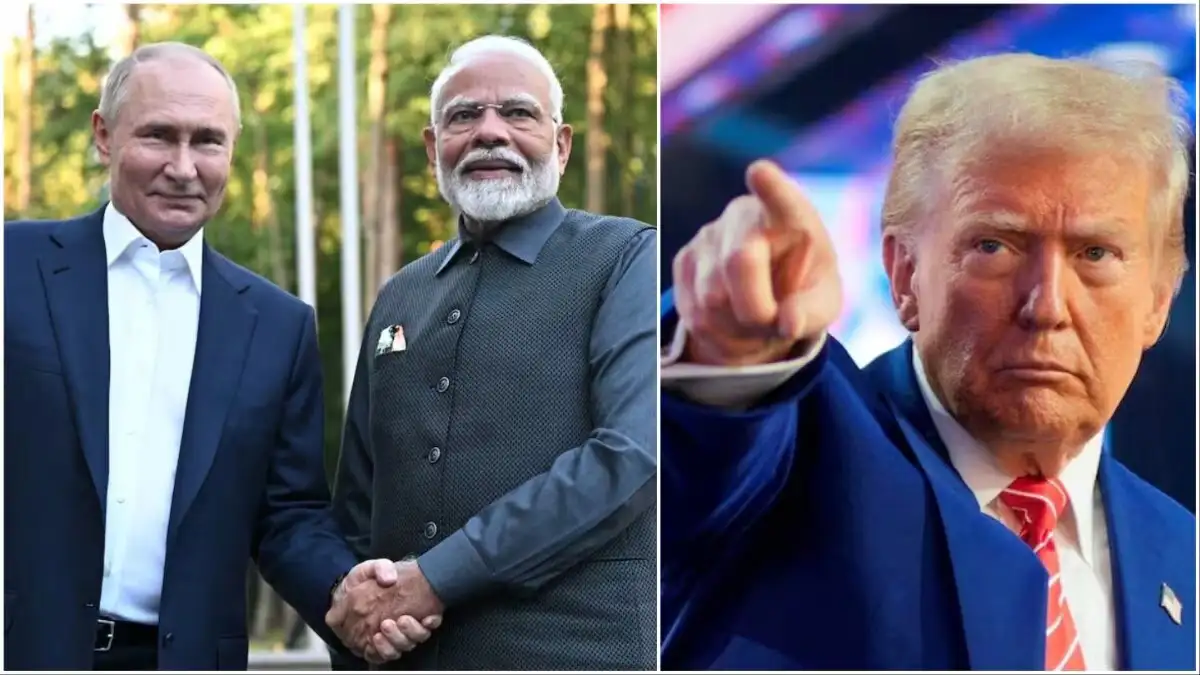
In January, when India was in talks with the US to get relief from punitive tariffs imposed on its exports, New Delhi had reduced its purchases of crude oil from Russia. The move was considered a “tough compromise” made under pressure from Donald Trump. However, just two months later, the situation has completely changed. India and Russia are once again moving rapidly towards strengthening their energy relations.
New initiative on LNG and oil
Citing *Jerusalem Post*, reports suggest that India and Russia are in the process of agreeing to resume direct supplies of Liquefied Natural Gas (LNG). This will be the first time since the start of the Ukraine war that Russia will sell LNG directly to India. This “verbal agreement” took place during a meeting between Russian Deputy Energy Minister Pavel Sorokin and Union Minister Hardeep Singh Puri on March 19 in Delhi. Along with this, it was also agreed to increase the supply of crude oil from Russia. It is estimated that oil imports from Russia may double within about a month, reaching 40% of India’s total imports.
Impact of West Asia crisis
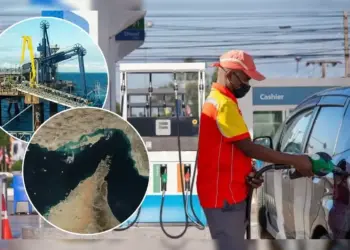
The US-Israeli attacks on Iran—and Iran’s subsequent retaliation—have shaken global energy markets. In particular, tensions in the Strait of Hormuz have had a direct impact on India’s energy supplies, as almost half of the country’s oil and LNG imports pass through this vital waterway. Its adverse effects were also felt at the domestic level in the form of long queues at petrol pumps, reduction in the supply of cooking gas and a sharp rise in energy prices.
Why were purchases reduced earlier?
Earlier, India had bought large quantities of affordable crude oil from Russia, a move that also boosted Moscow’s economy. However, India later reduced its purchases of Russian oil after the US imposed heavy tariffs on Indian goods. Yet, with the changing geopolitical scenario, India now appears to be leaning back towards Russia, giving priority to its national interests.
Fears of economic challenges
According to government assessments, if oil supplies from the Middle East remain disrupted for a long time, inflation may rise, the rupee may weaken, foreign debt may increase, and exports may decline by 2% to 4%. Former diplomat Ajay Malhotra says India has chosen a path that serves its interests and is based on its long-standing, trusting relations with Russia.