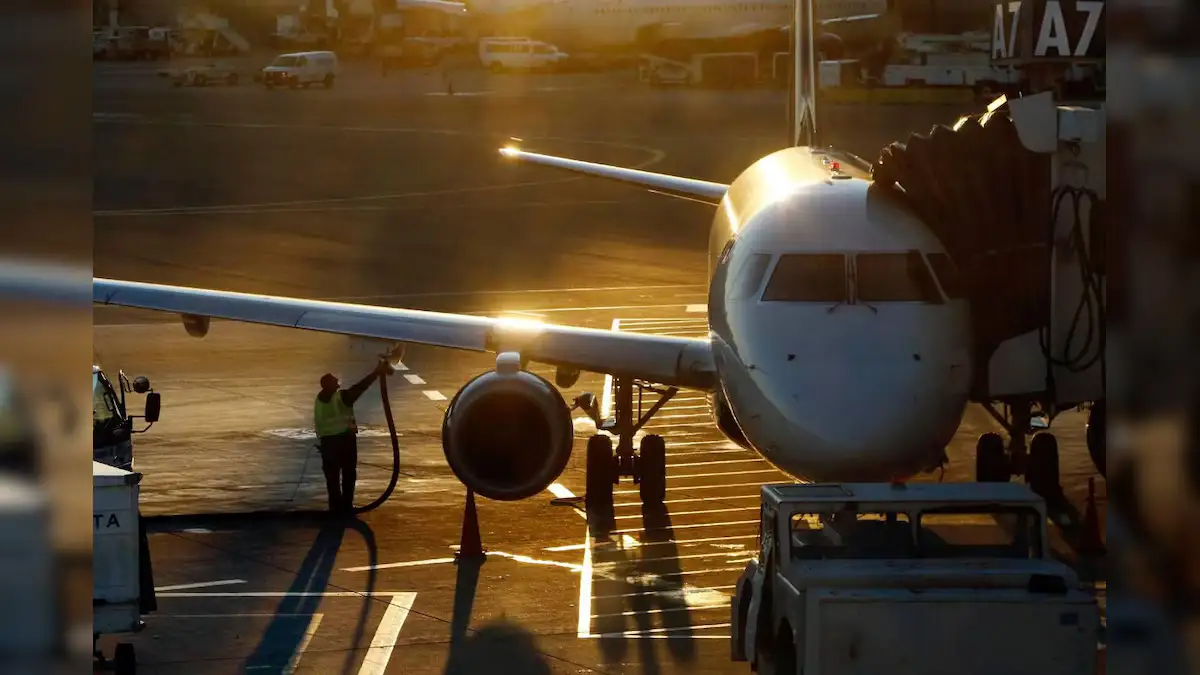
Amid the conflict involving Iran, global energy prices are skyrocketing, casting a looming shadow of uncertainty over air travel. The International Energy Agency (IEA) has warned that Europe may only have six weeks of jet fuel left. Moreover, if a large portion of the supplies coming from the Middle East are not replenished soon, the situation is likely to become even more dire by June.
In fact, the Strait of Hormuz—a key route for jet fuel from the Gulf—has been closed for the past six weeks, severely disrupting the supply chain. As a result, jet fuel prices are rising rapidly and the risk of shortages is also increasing. According to IEA chief Fatih Birol, if this situation continues, many flights may have to be cancelled.
Fear of worsening of fuel crisis
The IEA reported that Europe previously imported about 75 percent of its jet fuel from the Middle East; But, to meet the current shortage, European countries are now trying to increase supplies from other sources like the US and Nigeria. Still, experts believe these measures will not be enough to completely bridge the gap.
The report further said that if Europe is unable to meet even 50 percent of its imports from the Middle East from other sources, there could be fuel shortages at some airports, which could lead to the cancellation of flights. Moreover, even if up to 75 per cent of supplies are successfully diverted, the pressure on the system is likely to persist at least till August. The British government has announced that it is closely monitoring the situation in collaboration with airlines and fuel suppliers. Although there is currently no major disruption within the UK, there remain concerns about the future.
160 flights canceled in Europe
Meanwhile, airlines are also bearing the brunt of this crisis. In April, jet fuel prices rose to a record high of $1,838 (approximately ₹1.53 lakh) per tonne—significantly higher than the earlier level of $831 (approximately ₹69,000 – ₹70,000). This has increased the expenses of airlines, as fuel accounts for 20–40 percent of their total expenses. Some airlines have already started taking necessary steps. EasyJet has faced extra fuel costs since March, while KLM has decided to cancel 160 flights within Europe next month due to rising costs. However, the European Commission says that there are no clear signs of fuel shortage at the moment, but supply-related problems may arise in the near future.