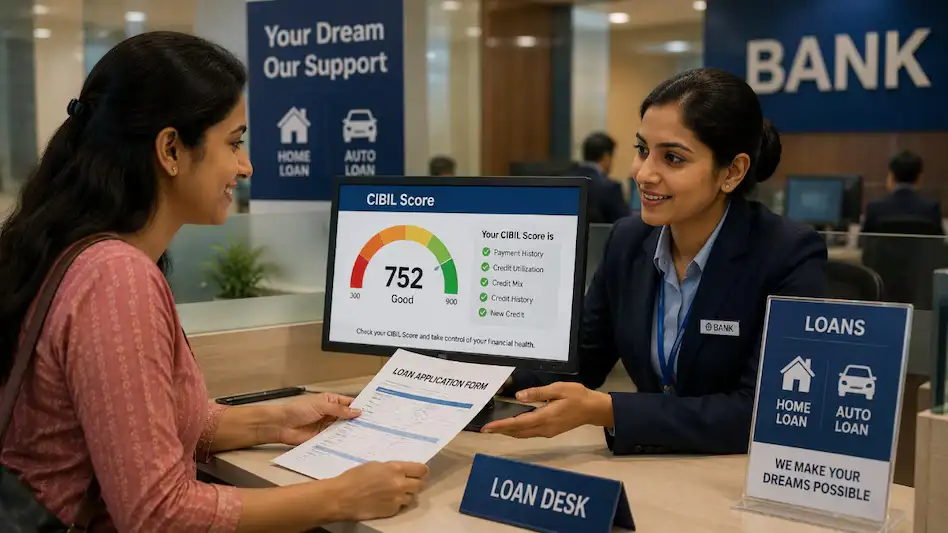
If your CIBIL score is less than 730, then getting a loan may be a little difficult in the future. After the implementation of RBI’s new ECL (Expected Credit Loss) rules for 2026, banks may exercise more caution while giving loans. Banking experts believe that people with low credit scores may face challenges in getting loans approved. Even if the loan is approved, the interest rate may be high. In some cases, banks may ask for additional guarantees or collateral. What is worrying is that the number of people in the country with a CIBIL score below 730 is very high; As a result, people looking to take a home, car or education loan next year may face more difficulties than before.
The new rules will come into effect from April 1, 2027!
The new RBI rules are likely to come into effect from April 1, 2027. Generally, if a customer does not pay his EMI for 90 days, the loan is considered NPA (Non-Performing Asset); But under the new rules, banks will have to estimate possible future defaults. Accordingly, they will have to set aside funds in advance. Banking experts believe that this change may affect the earnings of banks. Reports suggest that this could impose an additional financial burden of up to ₹42,000 crore on the banking sector.
Experts believe that people with good credit scores can take loans at lower interest rates and better terms. For this reason, banks may give preference to customers with a CIBIL score of 730 or above. It is estimated that about seven crore people in the country have a credit score of 730 or more.
How will banks assess future risks?
Under the ECL framework, banks will not just look at whether the customer is currently paying his EMIs or not. Many other factors will also be considered before giving the loan. For example:
• Customer’s track record
• Change in CIBIL score
• Decrease or fluctuation in income.
• Risk of job loss
• Loan-to-value (LTV) ratio
• Current loan status
By considering all these factors, the bank will assess the risk of possible loan default.