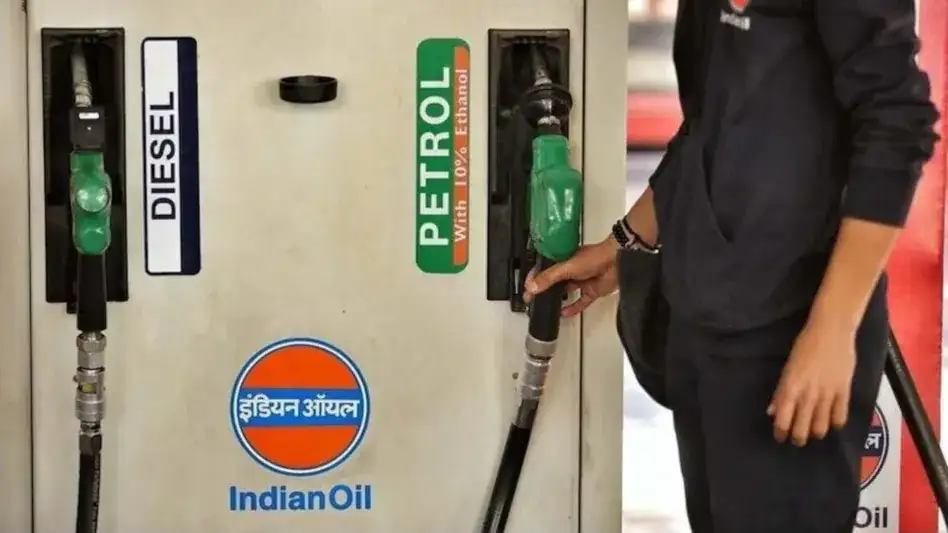
Due to the ongoing conflict, crude oil prices are skyrocketing. However, government oil companies have not yet implemented any increase in domestic petrol and diesel prices. Nevertheless, petrol and diesel prices are likely to increase in the coming weeks. This information has been revealed in a report of *Business Today*. It is worth noting that due to the conflict between Iran and the US, crude oil prices have increased from $70 per barrel to $126 per barrel.
Petrol and diesel prices may increase before May 15
According to the report, the prices of petrol and diesel are expected to increase before April 15. Due to continuous increase in crude oil prices, oil marketing companies are incurring a loss of ₹30,000 crore every month. It is worth noting that the Strait of Hormuz has been affected by this conflict; This waterway is responsible for the transportation of 20 percent of the world’s oil supply.
Huge jump in prices in other countries
As a result of the oil supply disruption, global crude oil prices have increased significantly. Due to this, a huge jump in the prices of petrol and diesel has been seen in many countries. Petrol prices have reached ₹295 in Hong Kong, ₹240 in Singapore, ₹225 in Netherlands, ₹210 in Italy and ₹195 in UK. In contrast, prices in India have remained stable at around ₹95.
Many countries changed work rules
Oil supply shortages are hampering daily operations in many countries. Sri Lanka has adopted a four-day work week, while Pakistan has also reduced its working days. However, there is no major unrest or panic regarding fuel availability at the moment; The supply of petrol and diesel remains normal at almost all fuel stations.
The country increased LPG production
India also seems to be taking active steps to deal with the current situation. Domestic LPG production has increased from 36,000 tonnes per day to 54,000 tonnes per day.
scale of loss
According to industry estimates, the current loss on petrol is ₹24 per liter and diesel at ₹30 per litre. Last month, the government had cut excise duty in an effort to provide relief to oil companies.
Meanwhile, to increase its supply, India is buying oil from Russia, America and other countries. Currently, the refineries are operating at 100 percent capacity. From the country’s perspective, this is a positive thing.