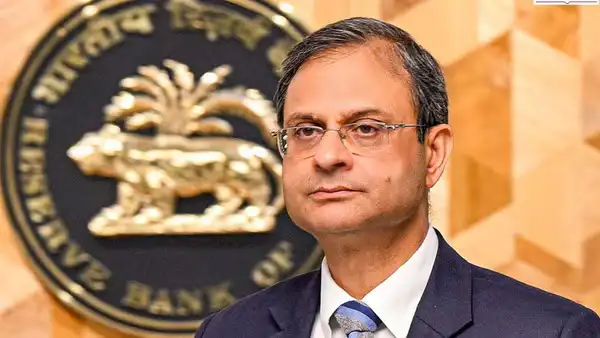
Following a three -day meeting of the Monetary Policy Committee (MPC) headed by RBI Governor Sanjay Malhotra, it was announced on Wednesday that interest rates (repo rates) would remain unchanged. This means that the repo rate for October after August will remain at 5.5 percent. Earlier, this year the repo rate was cut by up to 100 basis points. However, RBI has estimated the GDP growth rate to be 6.8 percent.
This is the second time this year when there is no change in the repo rate. This was an important meeting of the RBI Monetary Committee after US President Donald Trump imposed additional fees on essential commodities. However, market analysts already hoped that the RBI would decide to keep the repo rate unchanged for the second time, given the strong GDP growth rate and controlled inflation.
No change in repo rate
This decision of RBI MPC has come at a time when the prices of everyday goods have come down after the implementation of GST reform. This decision of RBI was affected by both GST reform and recent increase in H1B visa fee by the US government. This decision has come in a period of global economic uncertainty. At the domestic level, issues such as GST reform and inflation control are extremely important. The market hoped that the RBI would take a vigilant stance.
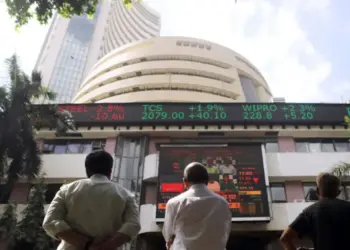
There is no relief to those taking loans and EMIs at the moment, as interest rates will remain unchanged. There will also be no change in the borrowing cost of banks. This indicates investors that the RBI wants to maintain stability at the moment and is not in the mood for any major change. This can affect the stock market, bond market and rupee.
What does this decision mean?
Stable interest rates may have mixed effects on these. Investors are relieved that the demand for loan will remain. Interest rates have not increased, which means home loans and auto loans will not be expensive. This indicates foreign investors (FIIs) that RBI is moving beyond vigilance. This may bring some stability in the market, but global uncertainties will still affect the market.