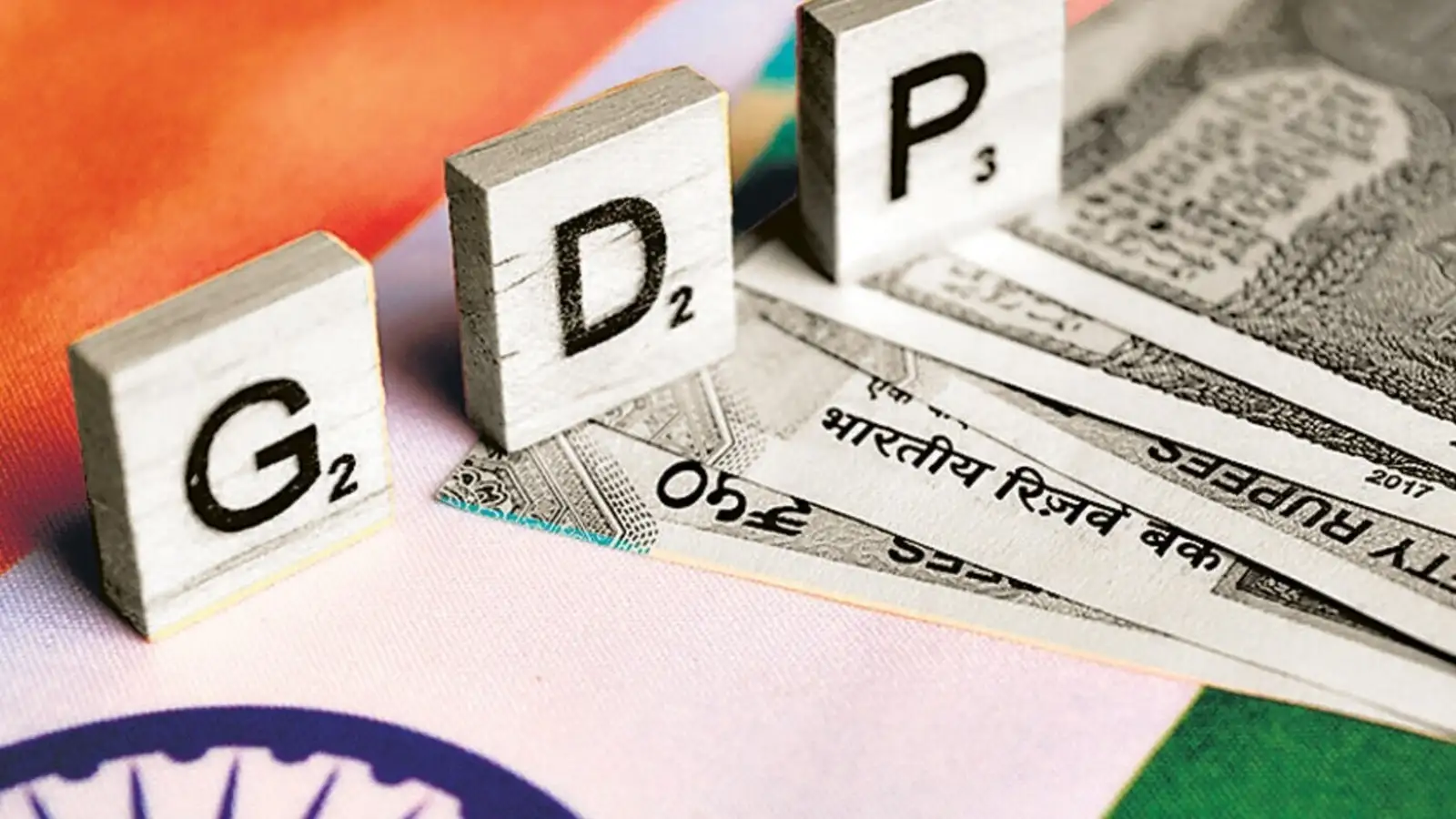
India’s economy is currently facing many challenges. The ongoing conflict in West Asia, rising inflation, rising crude oil prices and declining global demand have increased concerns. Meanwhile, the Reserve Bank of India (RBI) has reduced its growth forecast for fiscal year 2026-27 and raised its inflation forecast. However, the government has tried to increase capital inflow into the economy by giving big tax breaks to foreign investors.
Amidst these economic challenges, the government has taken a big step to attract foreign investors. The government has announced that foreign institutional investors (FIIs) and the Bank for International Settlements (BIS) will be exempted from capital gains tax on income and interest from the sale of government bonds (G-Secs). Previously, foreign investors had to pay 12.5% long-term capital gains tax and 20% tax on earnings from government bonds. It is expected that this new arrangement will increase foreign investment in India’s bond market.
Will the rupee and the market get support?
The government believes that this decision will bring stable foreign capital into India. This step has been taken at a time when the rupee is under pressure and foreign investors are selling their assets. In particular, increased foreign investment could strengthen the rupee and reduce the government’s borrowing costs.
GDP growth estimate reduced
RBI has reduced India’s GDP growth forecast for financial year 2026-27 from 6.9% to 6.6%. The central bank cited ongoing tensions in West Asia, high energy prices, supply chain disruptions and weather-related risks as factors that could impact economic activity. According to RBI, growth is estimated at 6.6% in Q1FY27, 6.3% in Q2, 6.5% in Q3 and 6.8% in Q4. However, RBI Governor Sanjay Malhotra said that the Indian economy is showing strength due to private consumption, investment, manufacturing and exports from the service sector.
Growing concerns about inflation
RBI has also adopted a cautious stance regarding inflation. The central bank has raised its retail inflation (CPI) estimate for FY27 to 5.1% from 4.6%. Rising food prices, rising energy costs due to the crisis in West Asia and weather-related risks have been identified as the main drivers of inflation. RBI estimates that inflation could reach 5.9% in the third quarter, which is close to the upper end of its prescribed range. Apart from this, the Central Bank has also identified the possible impact of El Nino and a weaker than normal monsoon as a significant risk. Less rainfall may affect the production of food items, which may further increase the inflation of food items.
No change in repo rate
For now, the RBI has kept the repo rate steady at 5.25%, although it has clearly indicated that it is keeping a close eye on inflation and the global situation. In the coming months, factors such as the ongoing conflict, oil prices and the performance of the monsoon will determine the direction of India’s economy. Currently, both the government and the RBI face an important challenge of maintaining a balance between growth and inflation.