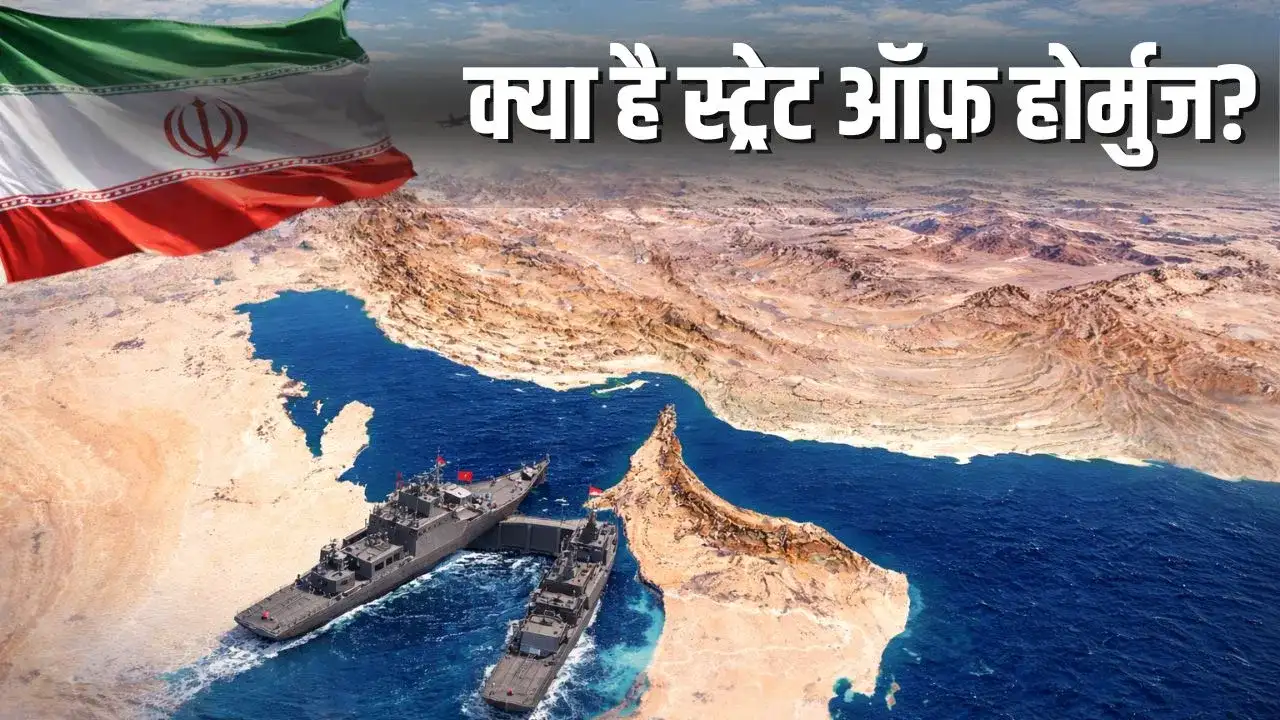
The increasing military tension in West Asia has created a stir in the global energy market. Amid actions by Israel and the United States and retaliatory attacks by Iran, the Strait of Hormuz is the most discussed topic. It is one of the world’s most important oil transit routes, transporting approximately 15 to 20 million barrels of crude oil to the global market every day.
Who exports how much?
Estimated share of major exporting countries through the Strait of Hormuz:
Saudi Arabia – 38%
Iraq – 22%
UAE – 15%
Iran – 11%
Kuwait – 9%
Qatar – 5%
Any disruption in this route can have a direct impact on the global supply chain.
Which country imports how much?
Many Asian economies are highly dependent on this sea route:
China – 33%
India – 13%
South Korea – 12%
Japan – 11%
Other Asian countries – 14%
Other countries – 17%
For big consumer countries like China and India, this path is very important for energy security.
How expensive has oil become after the tension?
Crude oil prices have increased by about 12% in the last six days following the attacks on Iran.
25 February:
$71.06 per barrel (approximately Rs. 6,500)
March 2:
$77.75 per barrel (approximately Rs. 7,115)
3 March:
$79.60 per barrel (approximately Rs. 7,278)
This increase in oil prices shows that the market is worried about possible disruptions in supply.
Why is this path necessary?
The Strait of Hormuz connects the Persian Gulf to the Gulf of Oman and the Arabian Sea. Despite its narrowness, this route is considered the hub of global energy supply. If the conflict escalates or disrupts shipping activity, oil prices could rise further, leading to inflation in importing countries and increased volatility in global markets. The Strait of Hormuz is not just a sea route, but a lifeline for global energy security. Amidst the current geopolitical tensions, its security and uninterrupted functioning remain important issues for the entire world.