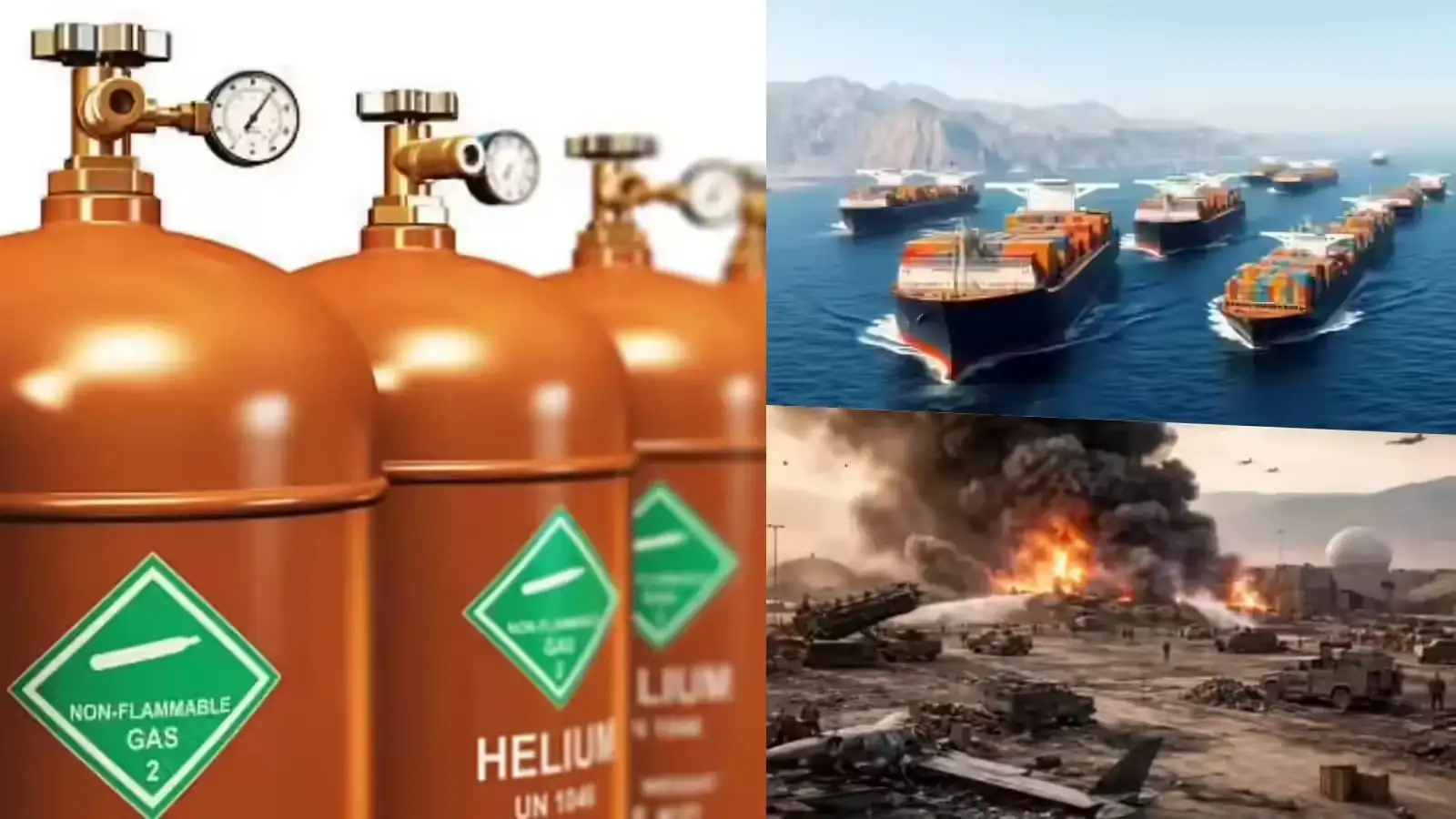
The ongoing tensions in the Middle East are not just affecting oil and gas; It is also having a significant impact on another essential resource: helium gas. The global helium supply chain has been dealt a major blow following reports of disruptions at Qatar’s Ras Laffan Industrial City. Since this single hub supplies approximately one-third of the world’s total helium production, its impact is being felt across industries around the world.
Why is helium so important?
Helium isn’t just for balloons; It is a very important industrial and scientific gas. Its unique properties—such as its non-flammability and ability to reach very low temperatures—make it essential for modern technology and healthcare.
backbone of medical technology
The most important use of helium is in MRI machines. Liquid helium is used to cool the superconducting magnets that are needed to produce high-quality medical scans. Any deficiency in this can have a direct impact on hospital services and can also increase the cost of testing.
Necessary for electronics and chips
Helium plays an important role in making semiconductors. It helps create the clean and controlled environment needed to produce the microchips used in smartphones, computers and modern electronics. Helium shortage could hamper global chip production.
Important role in space and rocket launch
Space companies like SpaceX rely on helium to pressurize and clean rocket fuel systems. Without helium, launching a rocket safely becomes much more difficult.
Fiber optics and internet infrastructure
Helium is used to make fiber optic cables, which carry high-speed Internet networks. Disruptions in supply chains may impact telecommunication and data infrastructure.
used in deep sea diving
In difficult underwater environments, helium is mixed with oxygen to help divers breathe safely and avoid the problems associated with nitrogen. This makes it essential for both commercial and scientific diving operations.
Helium shortage amid Iran dispute
The crisis began when the attacks halted work at Qatar’s Ras Laffan facility, affecting production. Additionally, exports were delayed due to strict controls imposed on vital shipping routes such as the Strait of Hormuz. As a result, ships were forced to take longer routes, increasing costs. Due to these supply disruptions, helium prices in India—and many other countries—have increased by 70% to 100%. This could increase healthcare costs, delay manufacturing, and have broader economic consequences.