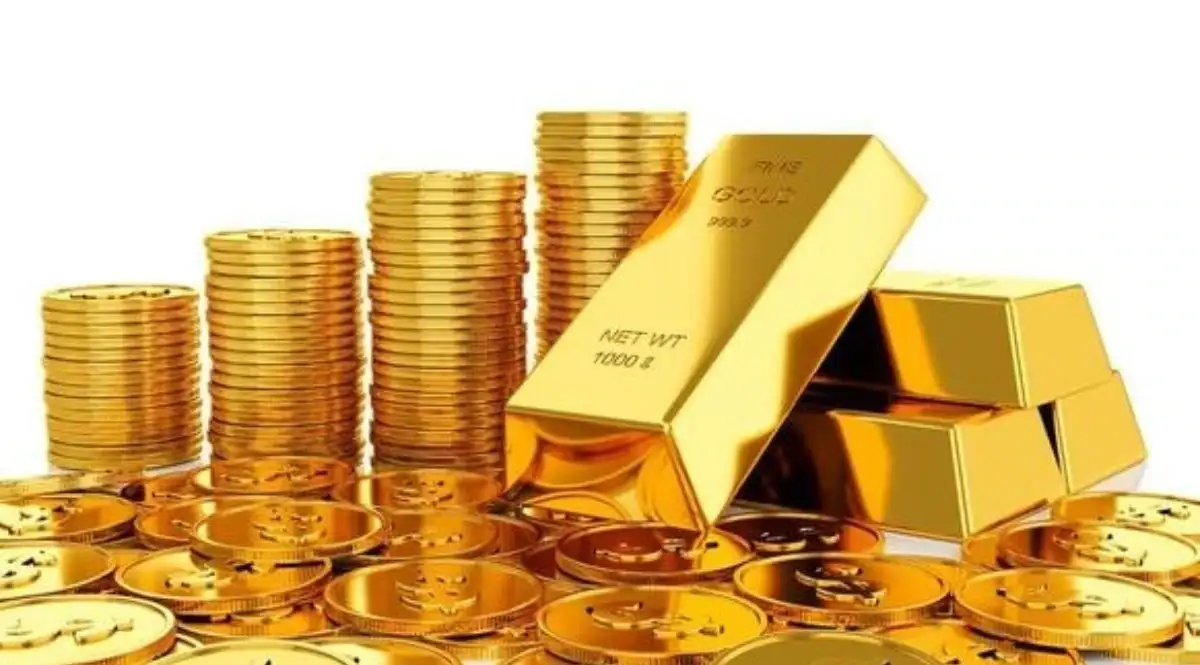
Amid rising tensions between the US and China and the possibility of the Federal Reserve cutting interest rates again by the end of this year, gold has reached a new peak of $4,185 an ounce. After much volatility during trading on Tuesday, spot silver also rose to an all-time high of $53.54 an ounce. Gold is increasing rapidly. It has given returns of more than 50% in the first 10 months of the year. Reports suggest that gold has reached all-time highs more than three dozen times this year alone.
Gold going through historical period
Surprisingly, the demand for gold has remained stable over the last 15 years, and there has been no significant reduction in supply. Nevertheless, gold is going through a phase never seen before. Experts give several reasons for this, including its continued purchase as a safe investment.
Over the past three years, central banks around the world have bought gold indiscriminately. Trump’s tariff policy has also contributed to this surge. Apart from this, geopolitical tensions have also led to the rise in gold prices. All these factors together have influenced the price of gold. Amidst all this, the demand for gold has increased by 15% since 2010. Countries like India and China have also been net buyers of gold for the last 15 years.
Gold becoming out of reach of common man
Gold prices are increasing rapidly in India. In the 2010s, the price of 10 grams of gold was ₹40,000-₹50,000. Now, the price of 10 grams of gold has crossed ₹130,000. In the last ten months alone, gold has increased from ₹77,000 per 10 grams to ₹130,000.
The price of gold has increased by 51% in India this year alone. The purchases by central banks cannot be ignored. Over the last three years—2022, 2023 and 2024—central banks have purchased more than 1,000 tonnes of gold each year. According to a report by the World Gold Council, by May 2025, central banks will officially hold 36,344 tonnes of gold.
Central banks’ purchases will continue
A recent report by the World Gold Council also revealed that central banks are expected to continue purchasing gold. Since central banks currently purchase about one-quarter of the world’s gold reserves, supply for jewelery and investment purposes is now beginning to decline.
The sharp decline in the US dollar this year has also contributed to this increase. Gold generally has an inverse relationship with the dollar. When the dollar is strong, gold prices fall, and when the dollar is strong, gold prices fall. The US dollar has fallen 11% so far this year, its biggest decline in 52 years since 1973. According to the New York Intercontinental Exchange (ICE), the dollar index is currently at 98.57. Given all this, gold prices appear less likely to fall in the near future.