
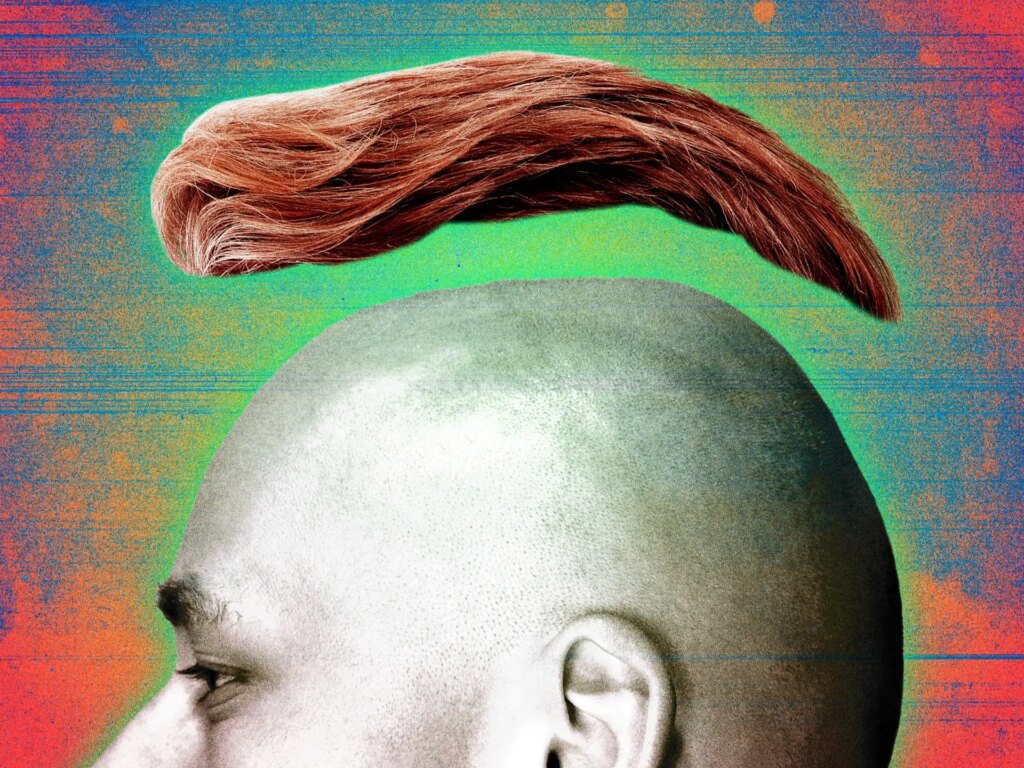
In today’s generation, i.e. Gen Z (born approximately 1997–2012), hair fall and baldness have become more common than ever. Earlier this problem was seen only in middle-aged people, but now many young people in their early 20s are coming to dermatologists with complaints of severe hair fall. Experts consider this not just an aesthetic problem, but it can also be a biological and lifestyle-related warning.
According to experts, there are many factors behind hair fall at an early age, the major ones being genes (hereditary), stress, unbalanced lifestyle, lack of nutrition and modern lifestyle. Traditionally, genetic baldness is caused by “androgenetic alopecia”, in which the hair follicle gradually shrinks and thins. In most cases this is the result of a combination of a hormone called DHT and genes.
But today it is not limited to just genes. Experts say that stress is a major reason for modern life. Education, competition for jobs, constant screen time, smartphone addiction and social expectations are increasing the stress of youth. Chronic high stress increases the hormone cortisol, which can affect the hair fall cycle.
Impact of lifestyle and nutrition
Often the daily routine of youth includes unbalanced diet, junk food, lack of adequate sleep and lack of exercise. Due to these reasons, hair does not get the necessary protein, iron, vitamins and micro nutrients, due to which the follicles become weak and hair falls.
The problem of black stripes or mild baldness is not just limited to appearance, but its mental impact can also be very deep. Young people may feel less self-confident and face stress and anxiety due to social pressure or comparison.
Can hair fall be stopped?
Experts say yes — taking the right steps early on can slow down hair fall and, in some cases, even encourage hair growth. It is recommended for:
A balanced diet that includes protein, iron, zinc, vitamins B and D.
Stress management like yoga, meditation and regular exercise.
Adequate sleep and light massage of the head improves blood flow.
Use mild, sulphate-free shampoo and less chemical products.
If necessary, seek medical treatment by consulting a dermatologist or trichologist.
Medical interventions include methods such as topical minoxidil, oral finasteride, PRP therapy, and advanced hair transplants that may be effective over time.