
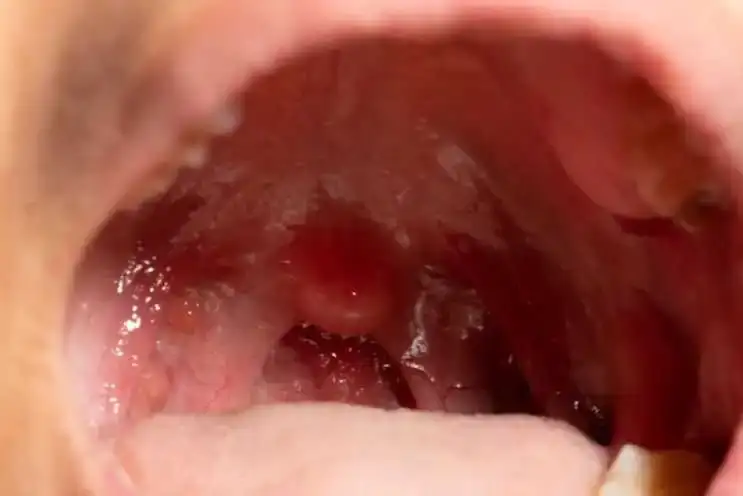
When a tumor—especially cancerous cells—begins to form inside the tonsils, it is called tonsil cancer. Tonsils are in the back of the throat. Therefore, tonsil cancer also affects the throat; If it is not identified in time, the tumor can spread throughout the throat and mouth. Here, learn about the symptoms and signs that commonly appear when tonsil cancer occurs. Some problems, if they persist for more than two weeks, may be a sign of tonsil cancer. Therefore, it is very important to identify this cancer in its early stages.
What are the symptoms of tonsil cancer?
lump in throat
A lump may appear in the throat. The size of this lump can vary—it can be small or large—but it usually does not cause pain. This may be the first sign of tonsil cancer.
persistent sore throat
In cases of tonsil cancer, throat pain persists for a long time. If this pain lasts for more than two weeks, it could be a symptom of tonsil cancer.
change in voice
If you notice any change in the quality of your voice, it could be a symptom of tonsil cancer. If your voice sounds different for no apparent reason, don’t ignore it.
swollen tonsils
Tonsil cancer can cause marked swelling of the tonsils. It may feel as if the swollen tonsils are pricking or causing a burning sensation in the throat.
ear pain
Another symptom of tonsil cancer is a feeling of pain in the ear. Ear pain is more likely to occur when the tonsils are swollen.
Other possible symptoms
Bleeding from the throat can also be a symptom of tonsil cancer.
Bad breath (halitosis) is also included in the symptoms of tonsil cancer.
The jaw may feel stiff or jammed.
Weight loss without any reason is a common symptom of cancer.
Throat pain may persist for several days.
What are the causes of tonsil cancer?
Tobacco consumption – People who frequently consume tobacco or *gutkha*, or who smoke, are at risk of tonsil cancer.
Alcohol consumption – People who drink alcohol are more likely to develop tonsil cancer. HPV – Tonsil cancer can be caused by HPV infection.
Poor oral hygiene – People who do not clean their mouth properly or do not pay attention to their oral health are at higher risk of tonsil cancer.
Family history – If someone in the family has had cancer before, then that person also has an increased risk of getting this disease.