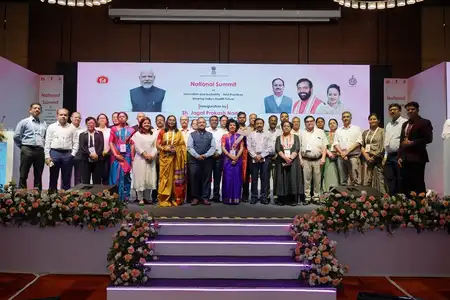
New Delhi, May 3 (IANS). In an important step towards strengthening child health services, the Ministry of Health and Family Welfare released the guidance document on Diabetes in Children at the recently concluded National Summit on Best Practices in Public Health Service Delivery.
This guidance document establishes for the first time a structured and standardized national framework for the screening, diagnosis, treatment and long-term management of childhood diabetes. With this initiative, India joins the select few countries that have integrated childhood diabetes care into the public health system.
The objective of this document is to ensure universal screening of all children from birth to 18 years, including early detection through community and school-based platforms. In suspected cases, immediate blood sugar testing will be done, followed by timely referral to district health centers for confirmatory diagnosis and treatment.
A key feature of this framework is the provision of a comprehensive, free care package at public health centres. This includes screening, diagnostic services, lifelong insulin therapy, monitoring devices such as glucometers and test strips, and regular followup care. This approach aims to reduce the financial burden and ensure uninterrupted treatment for children suffering from diabetes.
The guidance document also presents an integrated care system, linking community-level screening with district hospital-based management and advanced care in medical colleges. This coordination ensures that no child is left out of the system and that care continues seamlessly from diagnosis to long-term follow-up.
The initiative promotes the “4T” awareness framework to promote early diagnosis. defecation, thirst, fatigue and thinness – so that parents, teachers and carers can recognize the early warning signs of type 1 diabetes.
In addition to clinical protocols, the document emphasizes empowerment of family and caregivers. It provides structured training on insulin administration, blood sugar monitoring, emergency response and daily disease management. It also includes evidence-based treatment guidelines, regular monitoring programs, and protocols to prevent complications.
This initiative is expected to have significant benefits to public health, including reduction in mortality due to early diagnosis, prevention of complications, and improvement in the quality of life of affected children. In the long term this will contribute to reducing health care costs and strengthening the capacity of health systems to manage non-communicable diseases in children.
The publication of this guidance document reinforces the Government’s commitment to ensuring accessible, affordable, equitable and quality health care for all children, with a focus on early intervention, continuity of care and improved health outcomes.
–IANS
OP/VC