
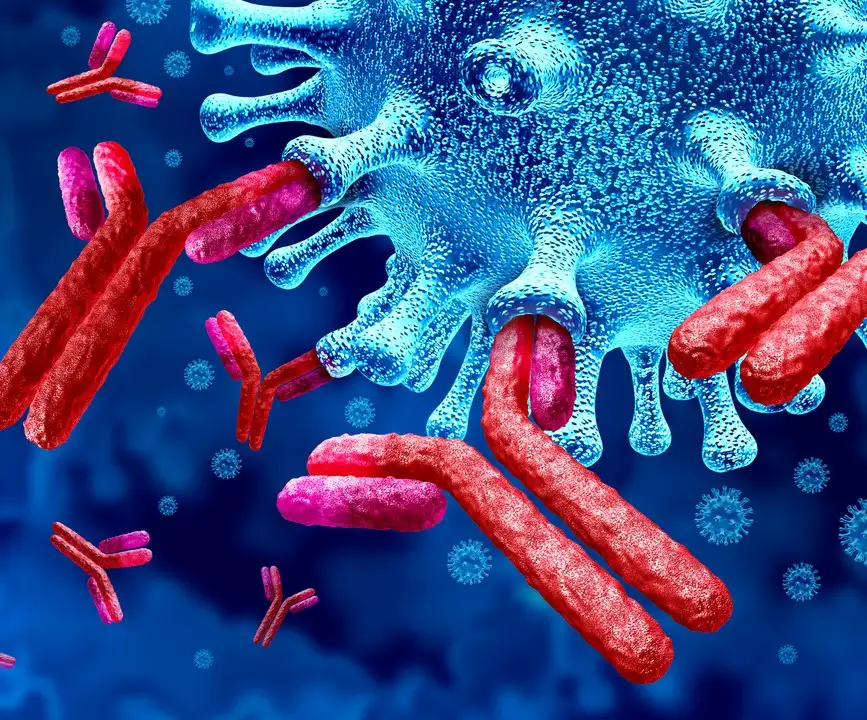
H3N2 is a type of influenza A virus that causes flu in large numbers of people around the world every year. It infects about 10-20% of the population every season. According to the CDC, the virus first spread from birds to humans in 1968 and has been constantly changing and becoming stronger since then. This is the reason why sometimes vaccines against it are less effective.
How does this virus attack the body?
H3N2 has tiny spike proteins on its surface that stick to the cells in your nose and throat like Velcro. Once attached, it goes inside the cell and forces the cell to make thousands of new viruses.
A single cell can release about 10,000 new viruses in 6-8 hours, which means it spreads very quickly! New research has found that modern H3N2 has added a sweet layer to its surface, which prevents your immune system from recognizing it. This is why it has become more powerful than before.
Why does it spread so much in winter?
This virus survives for a long time in cold and dry air. People stay indoors, due to which the infection spreads rapidly. The risk is four times higher in children and the elderly. According to tests conducted in India in 2025, 20% of samples tested between October and December were found positive for H3N2.
Why is there panic in UK?
H3N2 cases are increasing rapidly in the UK this year. At week 48, flu positivity increased from 11.6% to 17.1%. The positivity rate among children (5-14 years) is highest at 43.6%. Hospitalizations have increased by 56%. The new subclade that has spread this time (J.2.4.1) is considered to be highly infectious.
What are its symptoms? It has a number of symptoms, including high fever (38-40°C), dry cough, sore throat, body ache, weakness and fatigue. There is a risk of pneumonia in the elderly (5-10%). According to WHO, the severity of H3N2 is 1.5 times more than H1N1. This virus spreads up to a distance of 1 meter through droplets released from cough and sneeze. It can survive on surfaces for up to 48 hours. This virus spreads most on the third and fourth days of infection.
How to avoid this and what to do?
To avoid this, get a flu vaccine every year (it gives 40-60% protection). If someone has flu, stay at home for 5-7 days, drink plenty of fluids and rest. Starting the drug (oseltamivir) within 48 hours reduces the severity of the disease by 30%. Washing hands, wearing a mask and maintaining hygiene is very helpful. Vitamin D strengthens immunity.