Our body never falls ill suddenly; Rather, it gives some light hints first. Fatigue, a feeling of mental heaviness, skin changes, or mild discomfort—none of these things happen without a reason. These signs indicate that pressure is increasing somewhere inside the body. The problem is that most people ignore these signs, and pay attention only when the pain starts.
What do experts say?
Dr. Bhanu Mishra said, “Most organ damage occurs without any obvious symptoms. People ignore these signs because they are not clearly visible.” This is the biggest danger: by the time symptoms become severe, the internal damage has already been extensive.
Fatigue: the most common problem
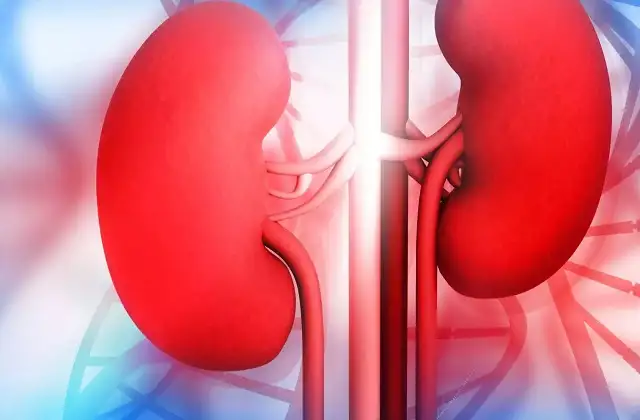
Fatigue is a common problem; However, if tiredness persists even after getting enough sleep, it should not be taken lightly. This is not just the result of a busy schedule; Rather, it may be a sign of increased pressure on the liver or kidneys. According to Dr. Bhanu, “Persistent fatigue does not just mean lack of sleep; it can also be a sign of an internal problem related to the liver or kidneys.” Such fatigue gradually weakens both your thinking ability and your energy level.
Don’t ignore these signals from your brain
The brain also talks to us through its special signals. Frequent headaches, trouble concentrating, or feeling “brain fog”—people often dismiss these as just the effects of stress or too much screen time. However, experts say that these could be signs of dehydration, high blood pressure, or accumulation of toxic elements in the body. Weak memory or distraction is a clear indication that the brain is under pressure.
Other signs you shouldn’t ignore
Some other physical signs can also tell a lot about your health. For example, changes in the color of urine, swelling in the legs, or puffiness around the eyes—these can all indicate kidney problems. Similarly, frequent bloating, loss of appetite, or feeling uneasy after eating can be signs of liver or pancreas-related problems. Skin, hair and nails also tell about the internal condition of the body. According to experts, dullness of the skin, itching, or slight yellowness can be a sign that there is something wrong inside the body. Additionally, thinning hair or weak nails may indicate nutrient deficiencies or internal imbalances in the body. Often, minor problems—such as a stiff back, numbness in the legs, or dizziness when standing—are overlooked.
What can be done to stop this?
The best way to avoid these warning signs is to adopt healthy daily habits. Drinking adequate amount of water, eating a balanced diet, avoiding processed food and excess salt and sugar, exercising regularly and getting enough sleep—all these things help in keeping the body healthy. Apart from this, it is also very important to get a health checkup done from time to time, even if no symptoms are visible in the body. Not only this, an important research published in *International Journal of Family Medicine and Primary Care* has revealed that nowadays lifestyle related diseases are increasing silently, and often they are detected only when people get regular checkups done. In other words, the body already gives warning signals, but we often do not recognize them. Therefore, it is very important to get checked on time.