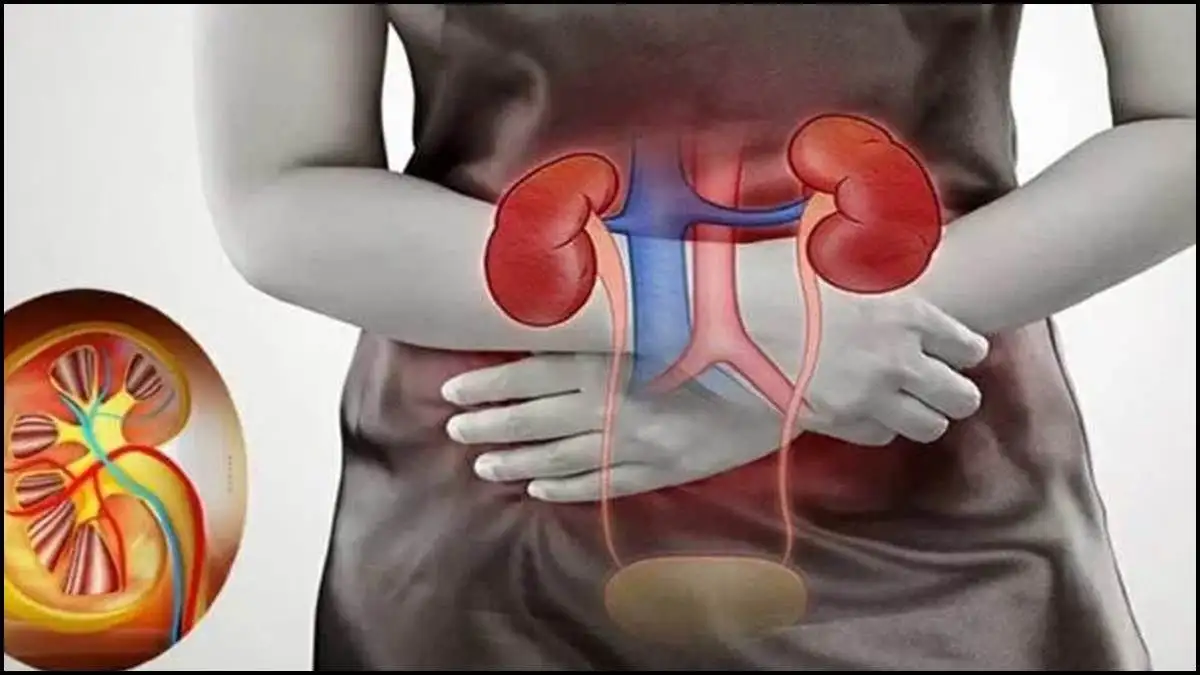
Kidney is one of the most important organs of the body. These are fist-sized, bean-shaped structures that lie on either side of the spine, just below the ribs. The main function of the kidneys is to filter dirt and excess water from the blood, which is then excreted from the body in the form of urine. They also play an important role in maintaining fluid and electrolyte balance in the body, controlling blood pressure, and producing hormones needed for bone health and red blood cell production.
What do experts say?
According to Dr. Mohan Patel, consultant nephrologist and transplant physician at Humanity Hospital, Nashik, kidney disease is often called the “silent killer” because it does not show symptoms in the early stages. Diabetes and high blood pressure are the main causes of kidney failure. There is no pain or discomfort in the initial stages of kidney failure, which makes it difficult to detect the disease without tests.
Urine test is necessary
This is why it is so important for people with diabetes or high blood pressure to have regular blood and urine tests, even if they feel completely healthy. However, some kidney related problems can cause pain. Conditions such as kidney stones, infection or tumors can cause pain. The special thing is that this pain does not always occur in the kidney area only.
Pain may be felt in these parts of the body
Sometimes, kidney pain is felt in other parts of the body, which is medically called “referred pain”. For example, when a kidney stone or tumor blocks the ureter (the tube that carries urine from the kidneys to the bladder), severe back pain may begin and spread to the lower abdomen, thigh, or groin. This is called ureteral colic.
These symptoms should not be ignored
Kidney-related pain is often felt in the lower back, which people usually ignore as muscle pain. However, if the pain is deep, persistent, and accompanied by symptoms such as fever or changes in urination, you should be careful. In some cases, stomach pain may also be a sign of kidney infection or abscess. In advanced stages of kidney failure, there may be swelling around the heart, causing chest pain. In diabetic patients, pain, burning or swelling in the feet can also be a sign of kidney damage. Doctors clearly say that there is usually no pain in initial kidney disease, but when there is pain, do not take it lightly. People who are at risk for kidney disease should get regular checkups done instead of waiting for the pain to go away. Timely detection is very important to prevent serious kidney damage.