
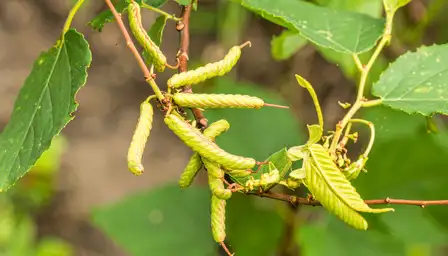
New Delhi, October 12 (IANS). Marod Phali, commonly called Indian Screw Tree, is considered to be an extremely useful and medicinal plant in Ayurveda. The shape of its fruit is twisted like a screw, hence it is called torsion pod. This plant is mainly found in India, Sri Lanka, Myanmar and other parts of South Asia.
From Ayurvedic point of view, it balances Pitta and Kapha dosha and has Kashaya (bitter-sour) juice, Laghu and Ruksha properties and its semen is cold. Torso pod is considered beneficial in digestion, diabetes, skin diseases, respiratory disorders, snakebite and liver diseases.
Various parts of the twist pod, fruits, bark, roots and leaves are used in many medicinal uses. It is an excellent medicine for the digestive system. It provides relief from diarrhea, gas, colic pain and intestinal infections. It is especially used in problems like stomach ache and malnutrition in children.
Consumption of taro pod is also beneficial for diabetic patients, as it controls blood sugar and increases insulin sensitivity.
Additionally, its antioxidant and anti-inflammatory properties protect the body from inflammation and oxidative stress. It is also useful in the treatment of skin diseases like itching, infections and wounds. In Ayurveda it is described as a Kapha-Pitta sedative, Rasayana and immunity booster.
Many home and traditional remedies for taro podi are also prevalent. The decoction of taro pod is considered effective for gastric problems. It is boiled in water and consumed with honey. For swelling and pain, it is beneficial to apply a paste made from the root of Torso pod and turmeric on the affected area. In case of ear pain, its fruit is heated in castor oil, filtered and two-three drops are put in the ear. For skin diseases, a paste of its leaves is made and applied on the affected area.
–IANS
PIM/ABM