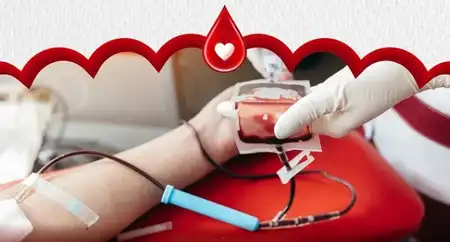
New Delhi, June 14 (IANS). World Blood Donation Day is celebrated every year on 14 June, the aim of which is to make people aware of the importance of blood donation and to promote voluntary blood donation. Blood donation has always been called ‘Great Donation’, because the blood donated by one person can save the lives of many needy patients. Despite this, even today a large number of people hesitate to donate blood.
According to health experts, there are many misconceptions and misconceptions spread in the society regarding blood donation, which keep people away from this great work. The most common misconception is that donating blood weakens the body or has adverse effects on long-term health. Doctors say that this notion is completely wrong. In fact, for a healthy person, blood donation is a safe process and the body replenishes the blood within a short time.
The National Health Mission (NHM) is also continuously appealing to the people to come out of these misconceptions and adopt voluntary blood donation. According to NHM, if more people donate blood regularly then the problem of blood shortage in the country can be solved to a great extent. A single unit of blood proves useful in treating many patients, especially in emergencies like accidents, surgeries and childbirth.
Experts say that before donating blood, a complete health checkup of the donor is done. This includes checking hemoglobin, blood pressure and general health. Only a person who is completely healthy can donate blood. People between the age of 18 to 65 years can participate in this process provided their hemoglobin is at least 12.5 grams per deciliter.
According to doctors, men can donate blood every three months and women every four months. The entire process only takes a few minutes and has no negative effects on the body. On the contrary, it also encourages the formation of new blood cells in the body.
Health department and various institutions are continuously running campaigns to make people aware. Blood donation camps are being organized in schools, colleges and public places so that more and more people can connect with this social responsibility.
Experts believe that if people get correct information and give up misconceptions, the problem of blood availability in the country can be solved to a great extent.
–IANS
MT/DKP