New Delhi, October 21 (IANS). Nature gives us many such treasures, which are very helpful in providing relief from health problems. One such herb is ‘Neelbadi’, which is known as ‘Black Honey Shrub’. This plant is found in tropical regions and has been used in Ayurveda for centuries.
It has proved to be very effective in many problems ranging from fungal yeast infection, ulcers in the mouth, throat and intestines to diabetes, liver diseases and pain.
Its botanical name is ‘Phyllanthus reticulatus’, and scientific studies have also confirmed its antiviral, antimicrobial, and anti-inflammatory properties.
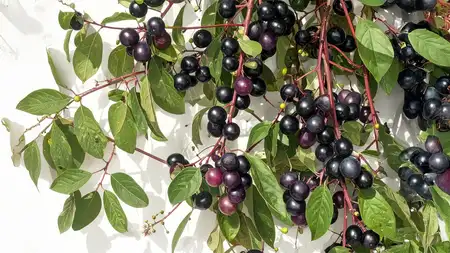
Neelbadi is a climbing shrub, belonging to the Phyllanthaceae family. It is found in tropical areas like Africa, India, Pakistan, Sri Lanka, Myanmar, China, Thailand and Australia. The branches of this plant are thin and brown, which turn green towards the top. Its leaves are green, oval or oblong (having four sides), 3-5 cm in length and 2-3 cm in width. After flowering, it produces small round fruits, which are 4-6 mm in diameter. These fruits are green at first and turn blue-black when ripe, with purple pulp and 8-15 small triangular seeds. Extracts are made from its fresh or dried parts and used.
According to Ayurveda, Neelbadi pacifies Kapha and Vata dosha. It is also useful in hair care like blackening of gray hair and preventing hair fall. Along with this, it is also beneficial in skin diseases like ringworm or blemishes. It has special importance in stomach problems, joint pain (arthritis), and liver health. It is also helpful in removing toxins from the body.
Leaves, sticks and bark have anti-carcinogenic, pain-relieving, analgesic and wound-healing properties, which are helpful in preventing mouth-throat-intestinal cancer and reducing pain. Hepatoprotective properties in the fruits and roots-stems are useful in diseases like hepatitis B. The decoction of leaves and sticks is effective for liver problems.
Experts say that Neelbadi is a safe alternative to natural medicine, but consult a doctor before using it. This herb keeps alive the health-promoting heritage of Ayurveda.
–IANS
NS/DSC