
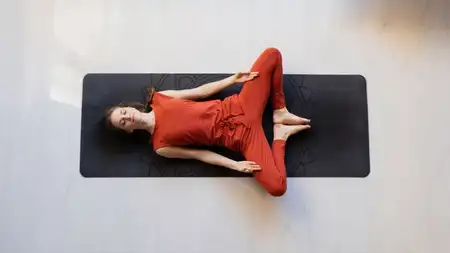
New Delhi, November 12 (IANS). Yoga has been an integral part of our culture since ancient times. It not only calms your mind but is also effective in relieving problems occurring in the body. One of these is ‘Supta Bhadrasana’. This is a yoga asana, which deeply relaxes both the body and mind.
This is a rejuvenating asana that is often included at the end of yoga sessions or in restorative yoga classes.
Supta Bhadrasana, which is called ‘Supta’ (reclined or lying down) and ‘Bhadra’ (auspicious, good) in Sanskrit. It is also called Vishram Asana, because it is done lying down. This asana not only relieves physical stress but also deeply calms the mind as well as the nervous system.
By doing ‘Supta Bhadrasana’, pain and tension in waist, hips, thighs and knees starts disappearing. Besides, this asana also provides relief to those who have problems like not getting proper sleep or irritability.
The Ministry of AYUSH has also given suggestions on ‘Supta Bhadrasana’. According to him, “Supta Bhadrasana is a relaxing yoga asana, also known as ‘Reclining Bound Angle Pose’.
To do this, first spread a yoga mat, then lie down on your back. Now bring the soles of both the feet together, like saying Namaste. Now, as per your capacity, allow the knees to fall outwards comfortably. At the same time, place your hands on the sides, on the thighs or as a pillow under the head, wherever you feel like. Stay in this posture for a few minutes and allow your body to completely relax.
This yoga asana releases the stiffness of hips and waist and doing it provides relief from period cramps and prostate problems. Additionally, it helps calm and balance the nervous system and makes the muscles of the buttocks and thighs flexible and strong.
Pregnant women should avoid staying in this position for a long time. If you have severe knee or hip pain, consult a doctor. Do not apply too much force in the initial exercises and gradually increase the duration of the exercises.
–IANS
NS/VC