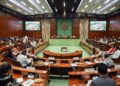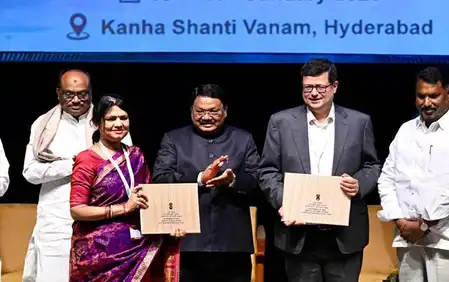
Hyderabad, January 16 (IANS). Tribal Affairs Minister Jual Oram on Friday unveiled a national initiative to formally recognize and include tribal physicians as collaborative partners within the public health system.
Addressing a capacity building program for tribal physicians to strengthen access to health services in tribal areas, Oram said even colonial rule could not eliminate India’s indigenous medicinal traditions that have been passed down for generations.
Sharing his personal experiences, he highlighted the effectiveness of indigenous healing methods before the participants, including nearly 400 tribal healers from across the country, the official said in the statement.
He said that the technical sessions organized by experts from AIIMS Delhi, AIIMS Jodhpur, ICMR Bhubaneswar, WHO, Ministry of Health and Family Welfare, Ministry of AYUSH and All India Institute of Ayurveda will significantly enhance the technical knowledge and service delivery capabilities of tribal physicians.
The Minister encouraged the States to explore market linkages and partnerships with FMCG and pharmaceutical companies to generate livelihood opportunities in the field of traditional medicine.
He reiterated the Ministry’s continued focus on addressing tribal health disparities through initiatives such as the National Sickle Cell Anemia Elimination Mission, PM-Janman and Dharti Aaba Tribal Gram Utkarsh Abhiyan (DAJGUA).
Tribal Affairs Secretary Ranjana Chopra stressed the important role of tribal physicians in mainstreaming community-based and community-led health solutions.
He said such approaches are cost-effective, sustainable and based on local realities.
Highlighting the continued spread of infectious diseases such as malaria, tuberculosis and leprosy in many tribal districts, he called for a final, targeted effort to eliminate these diseases from endemic tribal areas.
Additional Secretary Manish Thakur said tribal physicians have enjoyed trust and social legitimacy within their communities for generations.
He said the Ministry now views tribal physicians as collaborative partners in its health programmes, especially in the areas of preventive care, early detection of disease and timely referral.
He said geographical, cultural and systemic barriers continue to limit tribal communities’ access to formal healthcare, and active involvement of trusted practitioners can significantly strengthen last mile service delivery.
Minister of State for Tribal Affairs Durgadas Uike said that Scheduled Tribes are an integral part of the vision of developed India. Although infectious and non-infectious diseases continue to affect tribal areas, tribal communities have preserved rich intergenerational knowledge of traditional medicine and nature-based lifestyles.
–IANS
ASH/ABM