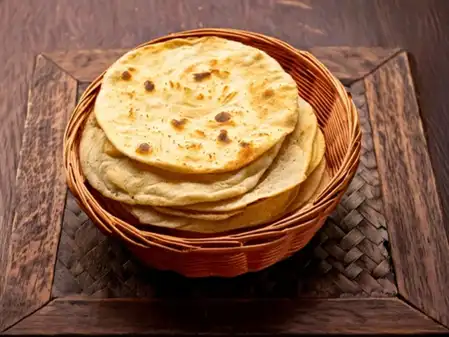
New Delhi, November 5 (IANS). In different states of the country, wheat bread is eaten at some places and millet and maize bread at other places. Every roti has its own benefits and properties. Today we will tell you the benefits of different rotis, and will also tell you which roti should be avoided at which time.
First let’s talk about wheat bread. Wheat bread is eaten in most areas of North India. Wheat bread contains carbohydrates, vitamin B, and minerals, which provide energy to the body. However, excessive consumption of wheat bread increases weight. Also, due to it being rich in carbohydrates, sugar and thyroid patients should take wheat flour mixed with other flours. Wheat bread can be consumed in the morning and afternoon, but avoid consuming it at night, because it takes more effort to digest.
Bajra roti also meets the criteria of both taste and health. Bajra roti is rich in iron, which prevents anemia. Millet also helps in keeping the body warm, although the consumption of millet bread should be reduced in summer. In winter, it is better to consume it in the afternoon only, because millet is heavy.
Jowar roti is eaten in very few places. Jowar roti is mainly eaten in Karnataka, Madhya Pradesh, and Rajasthan. Jowar does not contain gluten, due to which it becomes more nutritious. It also contains less calories, due to which weight gain is also controlled. Jowar roti is beneficial for diabetes patients. It can be included in the diet in the afternoon or night.
Ragi roti is considered to balance pitta. If there is increase in pitta dosha in the body, ragi roti can be eaten for this. Ragi contains abundant amounts of calcium, fiber and antioxidants, it is also easy to digest. Eating ragi roti strengthens bones and helps in increasing immunity. It should be consumed in morning breakfast and lunch.
–IANS
PS/AS