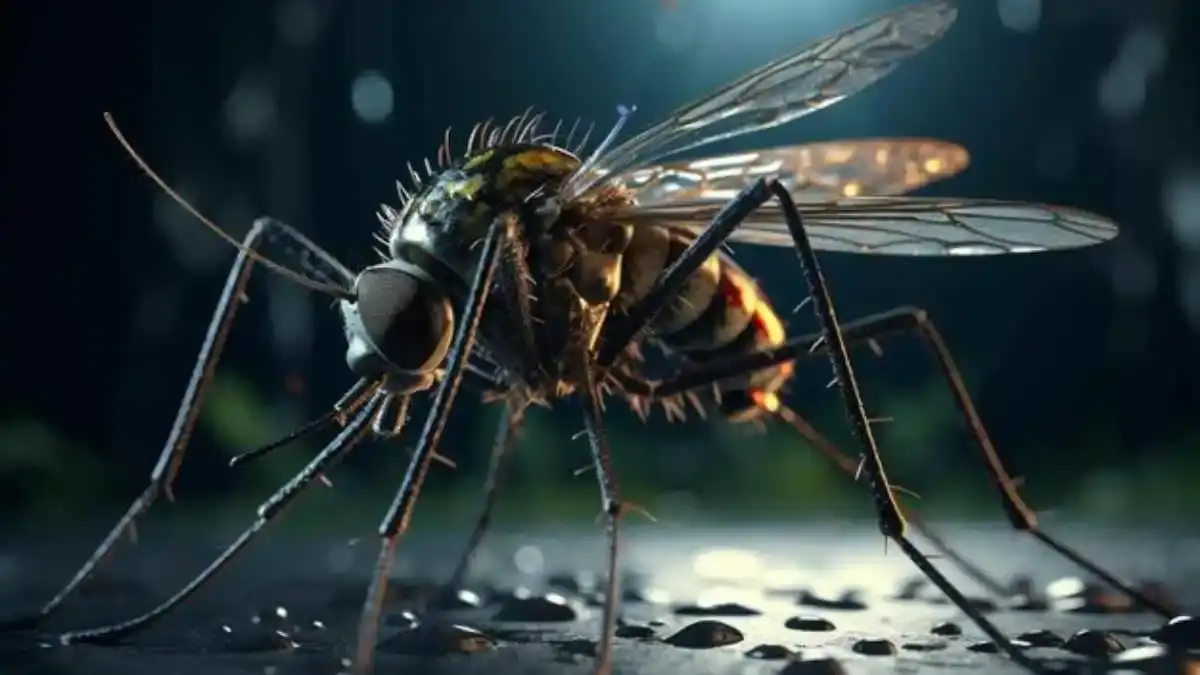
Today, World Malaria Day is being celebrated. World Malaria Day is celebrated every year on 25 April. In the summer season, this disease rapidly affects people. Mosquitoes that spread malaria start breeding rapidly as the temperature increases. Mosquito population increases due to stagnant water, humidity and poor sanitation. This is the reason why malaria becomes active as soon as the summer season starts. Malaria is characterized by high fever, and symptoms become more severe at night. Let us know more about malaria.
Why is World Malaria Day celebrated?
World Malaria Day is celebrated every year on 25 April. This day was started by the World Health Organization (WHO) in 2007. The purpose of celebrating this day is to spread awareness among people about the deadly disease like malaria. This includes providing accurate information about disease prevention, diagnosis and treatment, as well as working towards eradicating the disease completely. If the disease is identified at the right time, it can be cured quickly by treating it.
How is malaria spread?
Malaria is caused by a parasite named *Plasmodium*, which enters the body through the bite of an infected female mosquito. In India, it still remains a major challenge to public health. According to the ‘National Center for Vector Borne Disease Control’, more than 202,000 cases of malaria were recorded in the country by October 2025, the majority of which were caused by *Plasmodium falciparum*. The government has set a target of making the country malaria-free by 2027 and eliminating it completely by 2030.
Why do malaria symptoms become more severe at night?
Dr. Praveen Gupta of ‘Marengo Asia International Institute of Neuro and Spine’ explains that in cases of malaria, it is a common thing that symptoms like fever, shivering and body ache become more severe after sunset. This phenomenon is related to the life cycle of the parasite and the body’s internal circadian rhythm. If a person has frequent high fever at night, it is advisable to get medical examination done immediately. Main reasons for worsening of symptoms:
1. Life cycle of parasite
The malaria parasite increases its number inside the red blood cells and bursts them. This process releases toxic substances, causing fever and shivering. This cycle often intensifies at night.
2. Body temperature and immunity
At night, body temperature and the immune system change their physical responses, making symptoms more severe.
3. Mosquito activity
Mosquitoes that spread malaria are most active in the evening and night, which increases the risk of infection.
world malaria day 2026
World Malaria Day 2026 Photo: (Gemini)
Cerebral malaria can be fatal
According to experts, cerebral malaria—which is caused by *Plasmodium falciparum*—is the most dangerous form of malaria. In this condition, the infected person’s blood cells block blood vessels in the brain, significantly increasing the risk of:
seizures
confusion or unconsciousness
Coma
And even death.
warning signs of malaria
Serious symptoms of malaria should never be ignored:
high fever accompanied by shivering
headache and body ache
vomiting and nausea
extreme weakness
confusion, seizures, or fainting
Who is at greater risk?
small children
pregnant women
people with weak immunity
However, if there is a delay in diagnosis, the disease can seriously affect anyone.
Easy ways to prevent malaria
use mosquito net while sleeping
wear long sleeve clothes at night
Apply mosquito repellent cream/lotion
Do not allow water to accumulate in and around your house
Install screens on windows and doors, or keep them closed in the evening.
Malaria is a serious, yet preventable disease. Ignoring symptoms—especially those that worsen at night—can be dangerous. This disease can be prevented by timely identification, proper treatment and adoption of preventive measures.