
New Delhi, October 24 (IANS). The human body is made up of water and many mineral elements. Trace minerals like iron, copper, manganese, zinc and selenium are found in the body, which are very useful for the body.
Their deficiency has to be compensated by taking supplements. Today we will talk about the mineral element zinc, due to the deficiency of which many changes are seen in the body.
The amount of zinc required in the body is very less, but if the body does not get sufficient amount of zinc then it affects the digestive power, skin, hair, hormones, loss of appetite and immunity. Zinc keeps more than 300 enzymes active in the body and helps the body cells to form properly.
If there is zinc deficiency in the body, then some symptoms can bother you again and again, such as frequent fever, skin allergies, wounds not healing quickly, fatigue while doing small tasks, and premature fall and graying of hair, but start taking zinc supplements only after consulting the doctor.
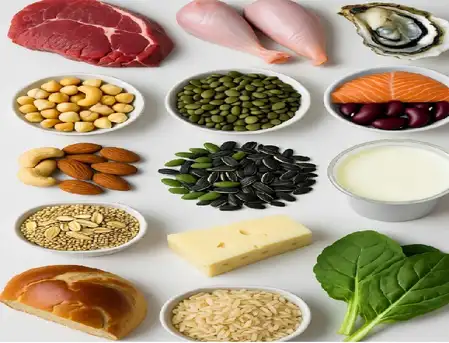
Zinc can also be supplied from diet, which is found in both non-vegetarian and vegetarian foods. Women need 8 mg of zinc daily and men need 11 mg of zinc daily, while lactating women need more zinc. Oysters contain plenty of zinc. 90 grams of oysters contain 15 mg of zinc. If it is consumed in small quantities then the daily dose of zinc can be fulfilled. 100 grams of meat contains 5 mg of zinc, while 100 grams of crab will provide 6 mg of zinc.
If you are a vegetarian then you can consume oats. One bowl of oats provides 3 mg of zinc.
Apart from this, 2 mg of zinc will be available in 30 grams of pumpkin seeds, 1.2 mg in egg and 1 mg in one cup of milk. Cashews are the richest source of zinc. 100 grams of cashews contain about 5 to 7 milligrams of zinc, and by increasing its quantity the daily dose of zinc can be met.
–IANS
PS/ABM