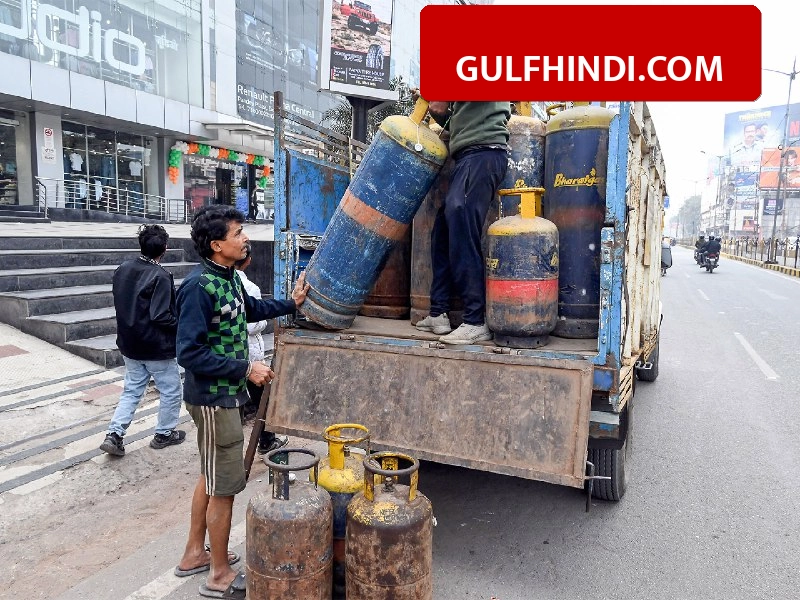
The central government has taken a big step after the ongoing dispute in the Middle East and halting of shipments from the Strait of Hormuz. To ensure that the supply of LPG (LPG) in the country continues without any interruption, the government has implemented the Essential Commodities Act (ESMA). Oil refineries have been given strict instructions to focus their full attention on domestic gas production and give it priority.
What is the new rule for gas booking and refinery
The government has made major changes in the booking rules to stop gas hoarding and black marketing. Now domestic LPG consumers will have to keep a gap of at least 25 days between booking two cylinders. This means that you will be able to book another tank only 25 days after taking one cylinder.
All government and private refineries (like Reliance and Nayara) have been ordered to immediately stop using propane and butane to make petrochemical products. These companies will have to hand over all their LPG production only to the government oil companies i.e. IOCL, BPCL and HPCL.
Who will get priority in gas distribution?
After Qatar Energy stopped the gas supply and the supply of 60 mmscmd gas was affected, the government has prepared a new system of gas distribution. The government has issued a gazette notification and decided the gas allocation based on the average consumption of the last six months.
Sector Name Gas Allocation PNG (Domestic), CNG and LPG Production 100% Tea Industry and Manufacturing 80% Fertilizer Plants 70% Refinery (for own use) 65%
Gas cylinder prices and further preparations of the government
Changes in gas prices have also been seen due to the ongoing disputes in foreign countries and the impact on the supply chain. The price of domestic LPG cylinder has been increased by Rs 60 from March 6, 2026. With this, commercial LPG cylinder has become costlier by Rs 114.5.
The Petroleum Ministry has informed that India is now looking for gas outside the disputed area. Keeping in mind the energy security of the country, a new contract has also been signed to import 2.2 million tonnes of LPG from the Gulf Coast of America so that the general public and priority sectors do not face gas shortage.