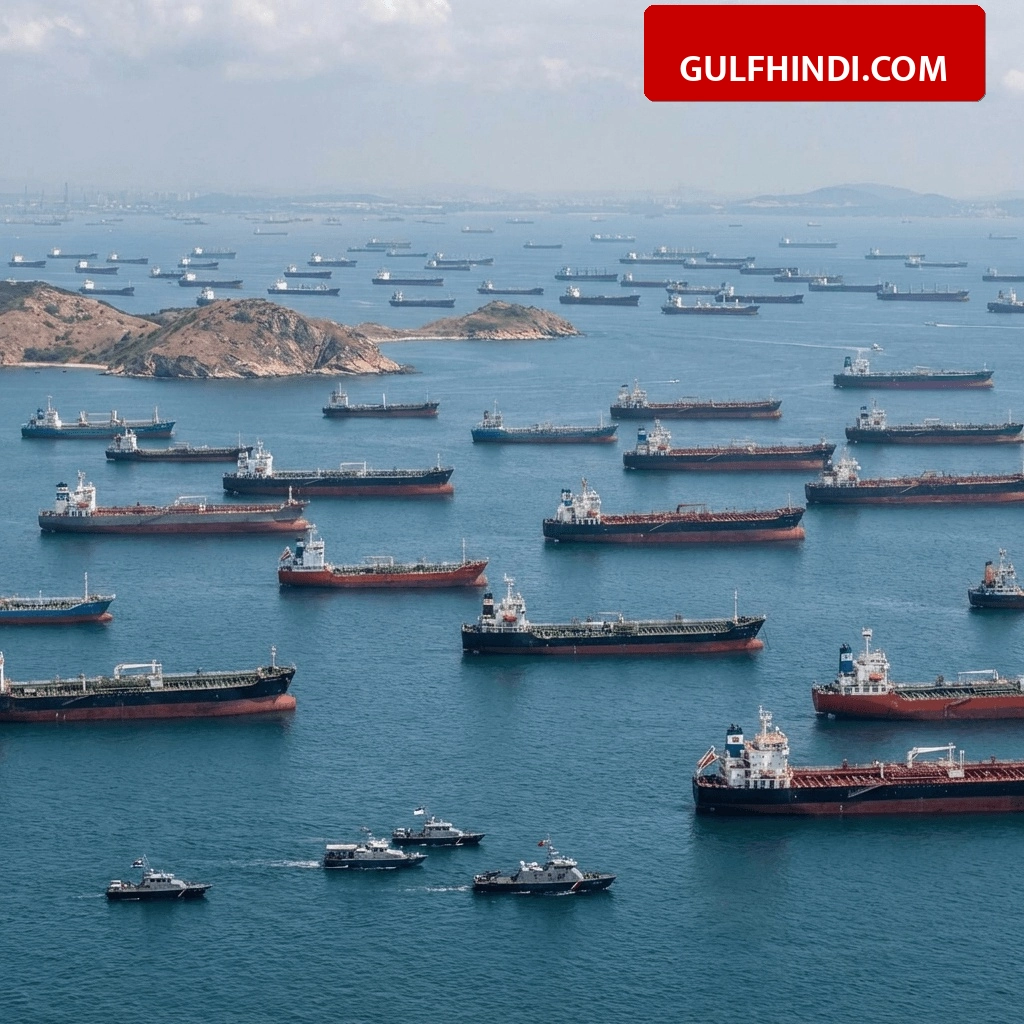
There is currently deep tension in the Strait of Hormuz and about 2,000 merchant ships are stranded there. Iran has imposed strict restrictions on this sea route citing security and territorial disputes. Due to this situation, the supply chain around the world is being adversely affected and the lives of about 20,000 sailors at sea are in danger. The United Nations has described this situation as the largest maritime humanitarian crisis in modern history.
Which countries got permission and what are the new rules of Iran?
The government of Iran has clarified that this ban applies only to the ships of its enemy countries like America, Israel and their allies. It has been said that ships of friendly countries like India, China, Russia, Iraq and Pakistan will be given safe passage. However, these ships also have to obtain permission from Iran’s Islamic Revolutionary Guard Corps (IRGC). Apart from this, Iran is now planning to impose ‘transit fee’ i.e. toll tax on ships passing through here, for which a special toll-booth system has been prepared.
What is the current situation of Indian sailors and ships?
Of the total sailors trapped in this crisis, around 3,000 to 4,500 are said to be Indians. Recently, a relief news came out when an Indian LPG tanker named ‘Pine Gas’ managed to get out safely after being stranded for 23 days. Iran has warned that strict military action will be taken against ships sailing without code and permission. Many big shipping companies have now changed the routes of their ships.
Key details Latest information Total ships stranded Around 2,000 affected sailors Around 20,000 Number of Indian sailors Between 3,000 to 4,500 Allowed countries India, China, Russia, Iraq, Pakistan Banned countries US, Israel and their allies New rule Transit fee (toll) and pass code mandatory