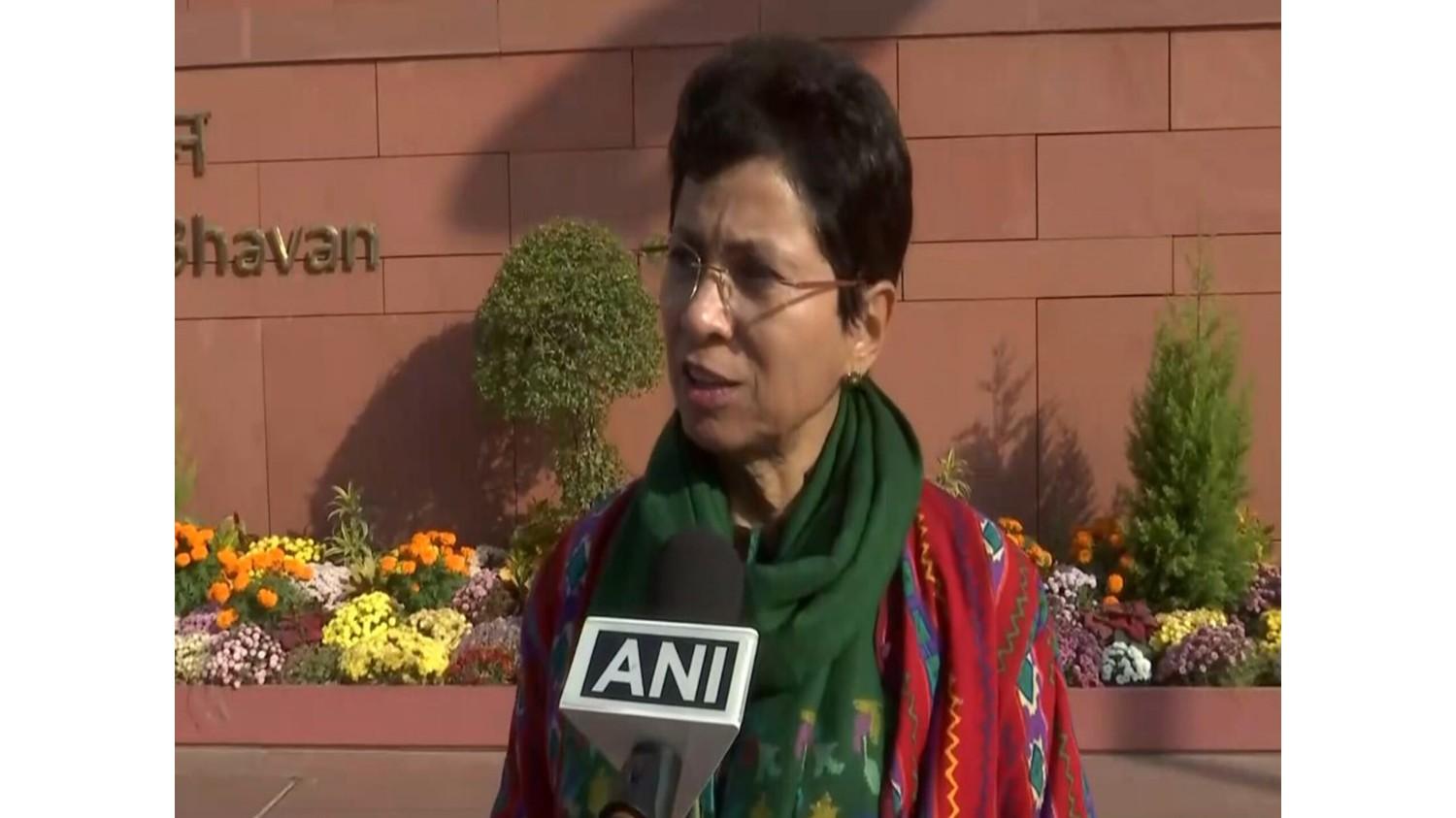
Congress MP Kumari Selja on Wednesday said it is a matter of ‘proud’ that the festival of Diwali has been included in the UNESCO Intangible Heritage List. Speaking to ANI, she said, “It is a matter of pride for the people of the country that UNESCO has included our most sacred festival Diwali in the World Heritage List. People celebrate Diwali all over the world, and it is a matter of pride to have it recognized globally.”
Diwali, the festival of lights, celebrated across India with vibrant decorations, festive celebrations and spectacular firework displays, has long been a symbol of hope, light and the triumph of good over evil. Recognizing the cultural and social significance of the festival, UNESCO has officially included it in its intangible heritage list. Union Home Minister Amit Shah on Wednesday lauded it as a “proud moment” and said it “shows the importance of our ancient cultural traditions even in the modern age.”
Prime Minister Narendra Modi also welcomed the inclusion of the Diwali festival in the UNESCO Intangible Heritage List. In a post on X, the Prime Minister said, “People across India and the world are thrilled. For us, Diwali is deeply linked to our culture and values. It is the soul of our civilization. It is a symbol of wisdom and religion. The inclusion of Diwali in the UNESCO Intangible Heritage List will further increase the global popularity of this festival. May the ideals of Lord Shri Ram guide us eternally.
External Affairs Ministry spokesperson Randhir Jaiswal said on Wednesday that UNESCO has included the festival of Diwali in its list of intangible cultural heritage. Describing the festival, UNESCO said on its official website, “Deepawali, also known as Diwali, is a festival of lights celebrated annually by various individuals and communities across India, marking the final harvest of the year and the beginning of a new year and new season. Depending on the lunar calendar, it falls in October or It falls on Amavasya in November and lasts for several days. It is a joyous occasion that symbolizes the victory of light over darkness and good over evil. During this time, people clean and decorate their homes and public places, light lamps and candles and pray for prosperity and new beginnings.
In 2008, the traditional performance of Ramayana, Ramlila, was included in the UNESCO list of intangible cultural heritage. In 2024, India’s Nowruz festival was included in the UNESCO list of intangible cultural heritage. Gujarat’s Garba (2023), Kolkata’s Durga Puja (2021), Kumbh Mela (2017), Yoga (2016), and the traditional art of brass and copper vessel making of the Thathera community of Jandiala Guru in Punjab (2014) are other Indian elements included in the list.
According to UNESCO’s definition, intangible cultural heritage includes those practices, knowledge, expressions, objects and places that communities consider part of their cultural identity. This heritage, passed down through generations, develops, strengthens cultural identity and appreciates diversity. For the protection of the intangible cultural heritage, UNESCO adopted the 2003 Convention during its 32nd General Conference held in Paris on 17 October 2003. The Convention was a response to global concerns that living cultural traditions, oral practices, performing arts, social customs, rituals, knowledge systems and craftsmanship are increasingly being endangered by globalization, social change, and limited resources.