
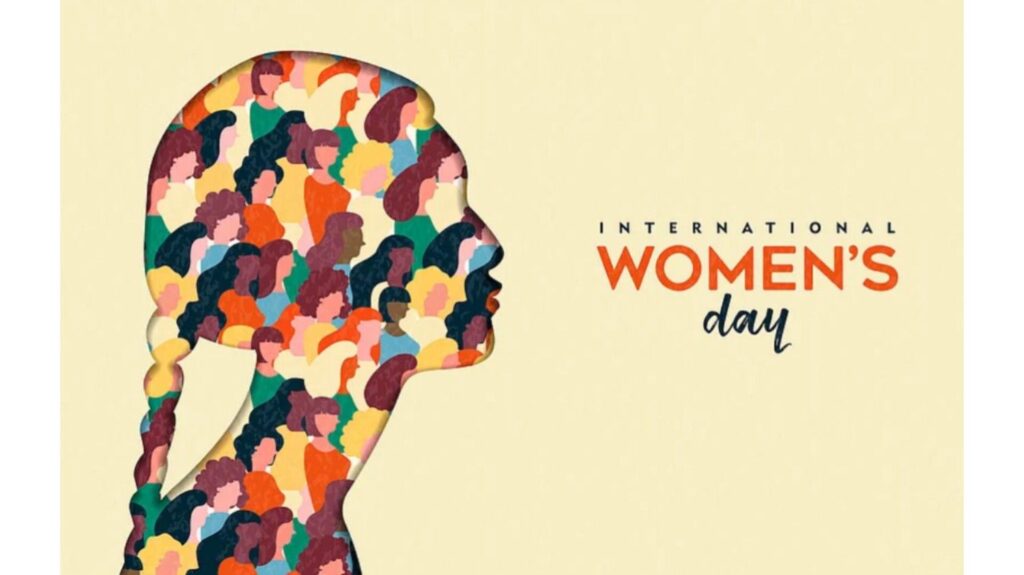
As the world celebrates International Women’s Day (IWD) on March 8, 2026, the focus of the celebration has shifted from general appreciation to a targeted call for legal and structural reform. The theme of the United Nations this year is ‘Rights. Justice. Action. ‘Rights. Justice. Action. For ALL Women and Girls’, which highlights the urgent need to bridge the gap between theoretical rights and practical reality.
The focal point of IWD 2026: Bridging the legal gap The central storyline of IWD 2026 is the discrepancy between written laws and their enforcement. Current global statistics show that women enjoy only 64% of the legal rights compared to men. UN Women reports that at the current rate of progress it could take 286 years to close this legal protection gap. This year the focus shifts from symbolic gestures to ensuring substantive legal equality and breaking down structural barriers so that the justice system is non-partisan and victim-centric.
With Sunday of Thinking and Action falling this time on Sunday, March 8, the 2026 observation encouraged wider participation at the community level outside traditional workplaces and schools. The official UN commemoration is scheduled for 9 March in the UN General Assembly Hall. This strategic alignment with the 70th session of the Commission on the Status of Women (CSW70) aims to secure high-level political commitments to gender equality.
Vandana Aggarwal, Director, Narayan Seva Sansthan (NSS) said, according to the Census of India 2011, people with disabilities constitute about 2.12 percent (26.8 million) of the country’s total population, of which about 44 percent are women. The literacy rate among women with disabilities is much lower than their male counterparts. According to statistics, the number of disabled people in Rajasthan has been recorded at around 15.6 lakh, out of which around 7.1 lakh are women.
The proportion of unmarried disabled people in Rajasthan is also the lowest in the country, which is around 31 percent. These figures point out that there is still a huge gap in the society in terms of socially and economically advancing women with disabilities and providing them equal opportunities.
Today, while women are pursuing higher education, moving forward in employment, starting their own businesses and even joining formal financial systems, women with disabilities are often deprived of these opportunities.
Many organizations are coming forward and working to reduce this gap. These organizations are running free vocational training programs in areas like tailoring, embroidery, mobile repairing and digital literacy, which help women with disabilities gain practical skills and become financially independent as well as strengthen their self-confidence.
On this International Women’s Day, we have to create such an environment where women with disabilities can also move forward with confidence, stand on their own feet and participate equally in the progress of the society.
From schools to streets: grassroots level celebrations Educational institutions have played an important role in the beginning of this day. Students participated in debates and speeches on specific themes of legal justice. Schools in the country used IWD activity cards and reading lists to inculcate an inclusive mindset among the younger generation.
A change has also been seen in the corporate sector regarding this day, where the emphasis is on concrete action instead of formal celebrations. Several organizations have launched “Mentor-Match” sessions and seminars supporting women-owned small businesses, reflecting the secondary campaign theme of mutual support and solidarity.
A history of struggle and success International Women’s Day has evolved significantly since its inception in 1911. While early movements focused on voting rights and labor rights, the modern agenda prioritizes equal justice and the removal of discriminatory laws. As the global community unites to recognize the contributions of women across the social, economic, cultural and political spheres, the message is clear: the path to a diverse and equitable world is to take urgent action to rapidly achieve legal equality.