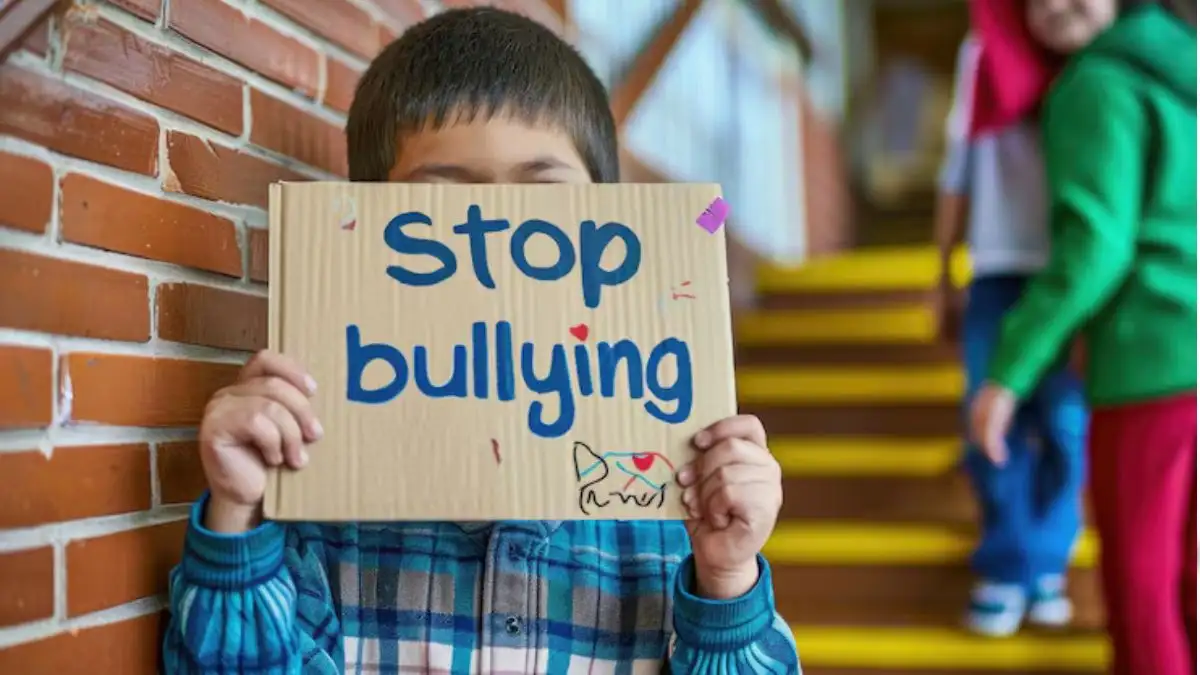
Bullying in school has a deep impact on the physical and mental health of a child. Therefore, it is very important for parents to pay special attention to whether their child is being bullied in school. To find out, it is important to talk to children well and provide them support. Let us learn how you can identify if someone is bullying your child at school, and what steps you can take to stop it.
What is the definition of school bullying?
According to UNESCO, school bullying is a harmful social process characterized by a clear imbalance of power. It involves repeated, unwanted behavior that causes physical, social, or emotional harm to students or school staff. In today’s world, this is no longer just limited to the school playground; In the form of cyberbullying, it can reach any child anywhere and anytime through the internet, which can cause great harm to their mental health.
Signs of bullying in children
Often, children are unable to express their problems in words; But, being an attentive parent, you should pay attention to these signs:
Physical signs: Unexplained marks, scratches or wounds on the body.
Emotional changes: The child suddenly becomes very alert, upset, or sad. Getting angry or behaving irritable can also be signs of this.
Avoidance of school: Afraid to go to school or participate in school functions; Often making excuses like headache or stomach ache to insist on returning home.
Social isolation: Suddenly stopping talking to friends, reducing social contact, or always trying to be around adults.
Sleep and studies: Difficulty sleeping, nightmares, or sudden decline in studies.
Lost items: Frequent loss or damage of clothing, electronics, or personal items.
Online behaviour* Appearing anxious after using the phone or the internet, or being overly secretive about their online activities.
What can you do to stop bullying?
Talk about bullying: When children understand what bullying is, they will be able to recognize it more easily—whether it’s happening to them or to someone else.
Talk openly and often: Talk to your children every day. Ask them not just about their studies, but also about their experiences and feelings. The more you talk to them, the more comfortable they will feel in sharing their problems with you.
Build self-confidence: Encourage your child to take part in activities or classes they enjoy. This will not only boost their self-confidence but will also help them make friends who have similar interests as them.
Help your child be a positive role model: Teach your children how to behave with other children and how to speak out against bullying.
Be a part of their online world: Learn about the platforms your child uses. Help them understand that the online and offline worlds are interconnected, and warn them about the risks associated with the digital world.
Be an example yourself: Children learn by watching their parents. Treat others with respect and speak up when you see someone being treated badly. Your posts and your behavior on the Internet also serve as an example for them.