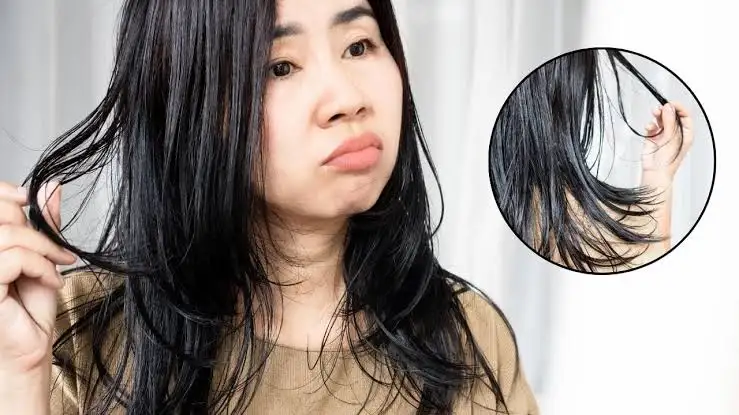
For the last few years, there has been rainy season in many parts of the country. This season not only provides relief from the heat, but also brings many problems related to hair and skin. Due to increased humidity in the air, skin feels oily and sticky, while hair can appear lifeless, sticky and matted. In this season, many people also have to face problems like acne, scalp itching, dandruff and hair fall, although their effect varies from person to person.
Therefore, it is considered important to change the way you take care of your skin and hair during monsoon. If these problems are not addressed in time, they may worsen; Therefore, it is very important to pay special attention to cleanliness. It is important to know how to take proper care of your hair and skin during the rainy season and what mistakes to avoid.
How should you take care of your hair and skin during monsoon?
During monsoon, clean your face with a mild face wash twice a day and use a mild moisturizer as per your skin type. Don’t forget to apply sunscreen before leaving the house. Shampoo regularly as needed to keep hair clean and try to keep the scalp dry. Avoid using too many products on your hair. Also, do not keep wet hair tied for a long time. Drink plenty of water and eat a balanced diet, because these things have a deep impact on the health of skin and hair. Consistent care can help reduce the risk of many problems.
What mistakes related to skin and hair care should be avoided during the rainy season?
During monsoon, you should avoid touching your face frequently, using overly oily products and keeping wet hair tied for long periods. Additionally, using dirty towels and makeup brushes can increase skin and scalp problems. Other common mistakes include not applying sunscreen during the rainy season, not drinking enough water and not washing hair properly. These habits can lead to problems like acne, dandruff and itching.
Which signs should not be ignored during the rainy season?
You may notice persistent acne, red spots on the skin, chronic itching, or excessive irritation and dandruff. Additionally, if you are experiencing excessive hair fall or showing signs of fungal infection on your skin, it is best to consult a doctor or dermatologist. Timely treatment can prevent the problem from worsening.