Serum Institute faced many challenges during the COVID-19 vaccine development. Let us introduce you to 7 such challenges.
1. Vaccine development and manufacturing challenging
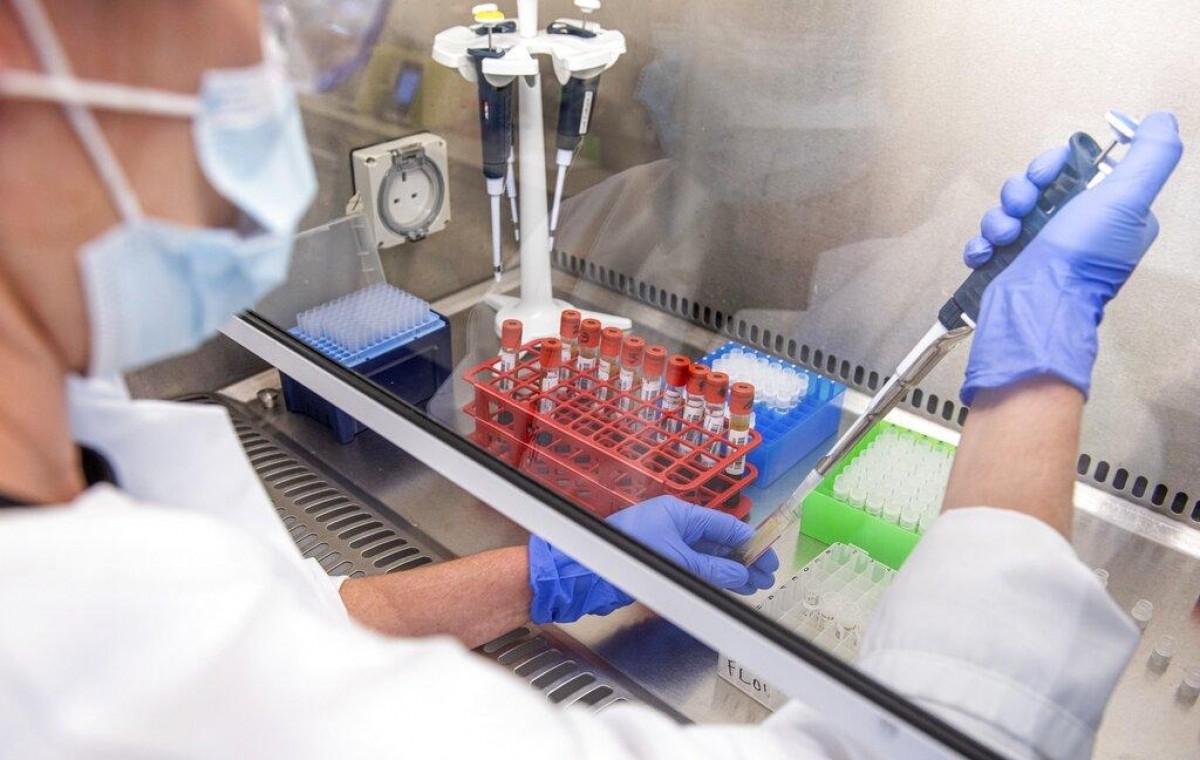
The first challenge related to the Covid-19 vaccine was whether the vaccine that was being developed and manufactured would be effective on humans or not. Effective testing of the vaccine also remained a major challenge for the company.
2. Time taken to manufacture vaccine
Generally, vaccine manufacturing takes a long time, which ranges from 6 to 8 years. The challenge before the company was how to manufacture the vaccine in the shortest possible time. There was also a challenge that if the virus changes its strain, will the developed vaccine be effective against the new strain of virus.
3. Will people use the vaccine after it is made or not?
The Serum Institute developed the flu vaccine during the H1N1 crisis. But after 2 years no one wanted to take the vaccine. The reason for this happening is lack of awareness in India. Unlike Europe and the United States, adults in India generally do not get the flu vaccine or any other type of vaccination. In India, people rush to get treatment when they fall ill. For this, there is a need to run an awareness campaign in India.
4. Providing vaccine to the entire population of the country
In our country, there was never a need to vaccinate the entire population of the country simultaneously. In our country, vaccination of children is done under the National Immunization Programme. Therefore, making vaccine in such large quantities emerged as a big challenge for the Serum Institute and the country.
5. Vaccine monitoring and supply chain
The supply chain and availability of health workers to administer the vaccine and monitor its effects have also been major challenges. The solution to the supply chain problem may be easy, but the need for a trained and organized group of health workers to vaccinate such a huge population (more than 135 crores) is a big challenge.
6. Cold Chain Management
One of the biggest challenges faced by the company was cold chain management which depended on what temperature would be suitable for the storage of the vaccine to be administered in India. There is limited capacity available to store the vaccine in India. If the vaccine requires temperatures below minus 20 degrees Celsius or minus 70 degrees Celsius, such vaccines require storage and transportation in liquid form. Such systems are available in very limited numbers in India.
7. Vaccine transport system and expenditure on it
To transport Covid-19 vaccines, the country will require 200,000 shipments, 1 crore 50 lakh cooling boxes as well as 15,000 aircraft (flights) in various supply chain set-ups over the next two years. This number is a huge number which will cost the Government of India Rs 80000 crore in 2 years. This is a huge amount that the government has to spend. So this is a big challenge.