
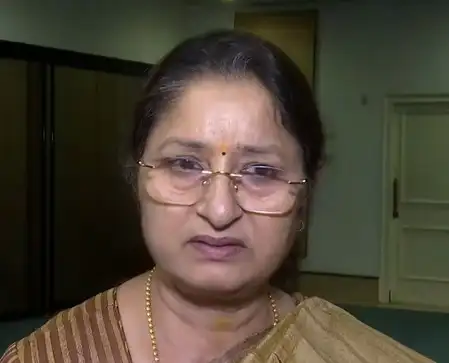
New Delhi, April 11 (IANS). Union Women and Child Development Minister Annapurna Devi on Saturday described the ‘Nari Shakti Vandan Act, 2023’ as a historic step. He said that in the past years the country has seen a historic change in the field of women empowerment. Today women are not just participants in development but are also leading the development.
The Union Minister posted on the social media platform ‘X’ and said that be it the historic step of ensuring 33 percent reservation for women in Parliament and Assemblies through the Nari Shakti Vandan Act, or providing respect and safety to women by building crores of toilets under the Swachh Bharat Mission, protecting health by making them free from smoke through the Ujjwala scheme, or making crores of women self-reliant through the Mudra Yojana, there is a clear determination to empower women power in every initiative.
He said that today India is moving rapidly towards women-led development. Let us all together take this powerful campaign of women power forward and contribute in building a strong, prosperous India.
Earlier, Baby Rani Maurya, Minister of Women and Child Development in Uttar Pradesh Government, described ‘Nari Shakti Vandan Act, 2023’ as a historic and epoch-making step in the democratic history of the country. He said that this law will play a decisive role in making women not just beneficiaries but strong participants and decision makers in policy making.
Addressing a press conference held at the state headquarters of BJP on Saturday, Baby Rani Maurya said that this constitutional amendment brought by the Central Government under the leadership of Prime Minister Narendra Modi is a national resolution for the respect, rights and participation of crores of women of the country. This law, which ensures 33 percent reservation for women in Parliament and state assemblies, will make democracy more inclusive, sensitive and effective.
She said that women’s participation in voting and various socio-economic sectors is continuously increasing in India, but political representation is still relatively low. Participation has increased, but representation is not balanced, this law is necessary to eliminate this gap.
–IANS
MS/DKP