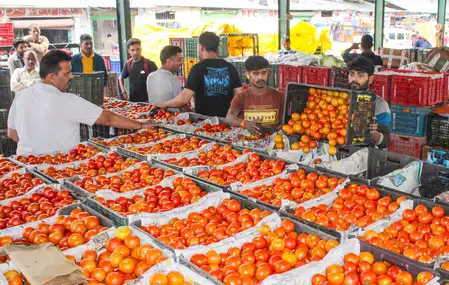
New Delhi, June 14 (IANS). According to a new report, the probability of El Nino occurring during June-August is 80 percent and the probability of it persisting till at least November is 90 percent or more. However, the water level of the reservoirs in the country is above normal storage (as of June 11) and the arrival figures of vegetables are also satisfactory.
Bank of Baroda’s research report said, “Only in the coming days will it be known whether the supply situation is such that it will be able to handle the impact of sudden changes in food and fuel prices on inflation or not.”
According to economist Dipanvita Majumdar, the CPI inflation rate in fiscal year 2027 is estimated to be between 5.2 percent and 5.5 percent. This estimate is based on the possibility of some impact of El Nino and the average price of crude oil being 90 to 100 dollars per barrel.
Headline CPI inflation in May 2026 came in at 3.9 percent, lower than BOB Research’s forecast of 4.1 percent, but higher than April’s 3.5 percent.
The main reason for this increase was the rise in prices of food items and fuel; The inflation rate of food items increased to 4.8 percent.
Recently, due to the increase in the prices of petrol and diesel, the inflation rate related to transport increased, while the inflation rate of restaurants and accommodation services also increased.
Core inflation (excluding food items and fuel) rose to 3.9 percent, indicating internal pressure on prices.
BOB Research sees risks to inflation from higher fuel prices and the possibility of weather uncertainties, particularly El Nino, impacting food prices.
“In the case of food inflation, the impact of higher fuel prices and a possible rise in freight costs may push inflation higher in the near term. Therefore, the ‘second-round pass-through’ (i.e. the subsequent impact of cost increases on prices) needs to be closely monitored, especially as weather risks remain high this year,” the report said.
The report further said, “We believe the risks of a rise in core inflation will increase as companies may pass on some of the increase in input costs to customers amid stable demand. Food inflation risks are also likely to increase in the coming days.”
–IANS
SCH/PM