Sydney, 22 September (IANS). Engineers in Australia have created new building materials made of cardboard, soil and water and recycle. It is claimed that carbon emissions are reduced by about a quarter than concrete.
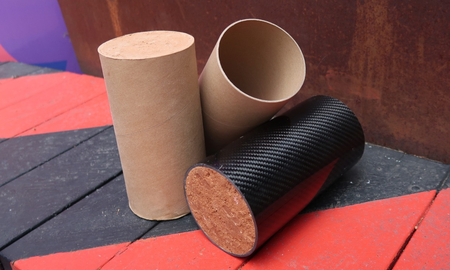
According to a statement issued by Australia’s Royal Melbourne Institute of Technology (RMIT) on Monday, this material called ‘Cardboard-Confined Ramed Earth’ can significantly reduce the carbon footprint of construction, as well as reduce the waste going on landfills.
The statement stated that this material, which eliminates cement requirement, reduces carbon emissions compared to concrete, while its cost is less than one third.
“Only using cardboard, clay and water, the lead author of the study published in British Journal Structures and researcher of RMIT, said,” We can make the walls so strong that they can support low height buildings. “
In a separate study, ‘Ma’ mixed carbon fiber with a ramed meaning and found that high-performance gained strength to concrete.
According to the Xinhua news agency report, Ma said that this innovation can bring revolution in building design and construction using locally obtained, recycleable materials.
He said that especially suitable for warm climate, ramed meaning buildings naturally control internal temperature and humidity.
Researchers reported that in this method, soil and water mixture is mixed inside the cardboard formwork at the construction site itself. Due to the entire process at the construction site itself, the need for transportation of heavy construction material is reduced.
Australia sends more than 2.2 million tonnes of cardboard and paper to landfill every year, while cement and concrete production is about 8 percent of annual global emissions.
The RMIT team said that this innovation can benefit remote construction in abundant red soil areas.
-IANS
KR/