New Delhi, May 17 (IANS). The average temperature around the world is continuously increasing. The temperature of the earth’s surface air is rising rapidly. Scientists say that even a change of just one degree in global temperature is very important, because it requires a huge amount of energy. This small change affects the entire Earth’s climate, weather, oceans and forests.
First of all understand what is global warming? Detailed information on this subject is available on the My NASA Earth Data portal of the American space agency NASA. According to scientists, the continuous increase in the average temperature of the world is called global warming. The main reason for this is the greenhouse gases released by burning fossil fuels i.e. coal, petrol, diesel.
According to NASA’s Goddard Institute, Earth’s average temperature has increased by about 0.8 degrees Celsius since 1880. Two-thirds of this increase has occurred after 1975.
Often people are unable to differentiate between climate change and global warming and consider both to be the same, but there is a difference between the two. Global warming only talks about increasing temperature. At the same time, climate change is a broad term. Apart from temperature, it also includes rainfall patterns, drought, floods, sea level rise, melting of glaciers and effects on marine life.
Similarly, there is difference in weather and climate also. These two words create the most confusion. Weather is the condition of a particular place for a short period of time i.e. a few hours or days. Like it is raining today or there will be strong wind tomorrow. At the same time, climate is the average pattern of a region or the entire world over a long period of time i.e. several years or decades.
For example, a sudden increase in rainfall in your city in one year is weather, but changing rainfall patterns over several years could be a sign of climate change.
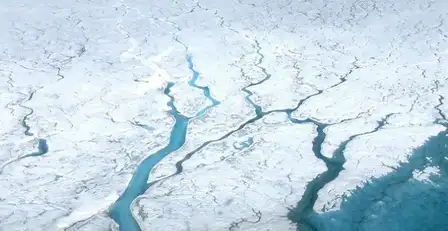
Scientists say that even a one degree change in global temperature matters. Daily temperature can vary by 10-15 degrees locally, but a 1 degree increase in the global average is a huge event. Due to this, sea water expands, glaciers melt, extreme forms of weather like extreme heat, heavy rains, drought increase.
According to scientists, 1951-1980 is considered the base period, when the world’s average temperature was about 14 degrees Celsius. Global temperature mainly depends on how much energy the Earth takes from the Sun and how much it releases back into space. Greenhouse gases trap this energy, causing the Earth to warm.
–IANS
mt/pm