New Delhi, June 7 (IANS). The ice present on Earth is not just the hallmark of cold regions, but it plays an important role in maintaining the balance of the climate and oceans of the entire world. This icy system is called ‘cryosphere’. Scientists believe that the future of the oceans largely depends on the condition of the cryosphere. This is the reason why today special emphasis is being laid on its conservation and study all over the world.
All forms of ice on Earth combined are called the cryosphere. This word is derived from the Greek word ‘krios’, which means icy cold. The cryosphere is extremely important in today’s climate change discussion because it is directly linked to the health and future of our oceans.
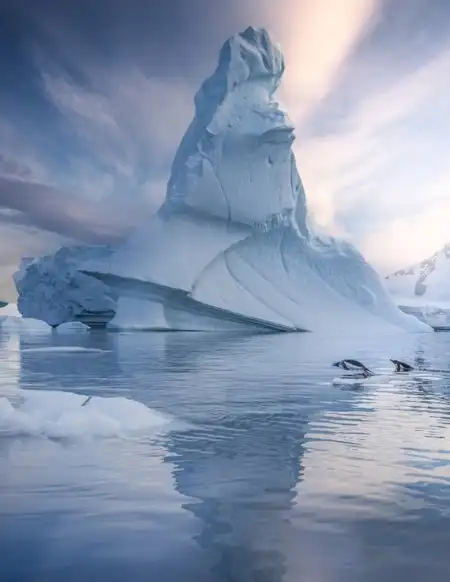
The cryosphere includes ground snow, ice of rivers and lakes, permafrost, huge ice walls of Antarctica and Greenland, glaciers, ice caps, icebergs, and sea ice. All these together form the cold regions of the earth.
Now the question is why is it considered the most important part of protecting the oceans? Why is the cryosphere so important for the oceans? According to the United Nations Educational Scientific and Cultural Organization (UNESCO), the cryosphere plays a large role in controlling the oceans. Fresh water that melts from glaciers and ice sheets affects the ocean currents. Sea ice reflects the sun’s rays, thereby controlling the Earth’s temperature. When this ice melts, the sea level rises, increasing the risk of flooding in coastal areas.
According to UNESCO, the rapid changes taking place in the cryosphere are affecting the entire world. Glaciers are melting, sea ice is shrinking and permafrost melting is releasing large amounts of methane gas, further exacerbating climate change. These changes are deteriorating the ecosystems of marine animals, affecting the livelihoods of fishing communities and threatening coastal cities.
Recognizing this problem, UNESCO has launched a Decade of Action for Cryosphere Science under its Intergovernmental Hydrology Program (IHP). It aims to bring together scientists, governments and local communities to better understand and respond to changes in the cryosphere.
Scientists are constantly warning that the changes taking place in the cryosphere are happening faster than ever before. Therefore, now is the time to strengthen our efforts to reduce global warming, promote green energy and conserve nature.
According to UNESCO, as World Oceans Day is approaching, it is very important to remember that protecting the oceans starts not just with cleaning the sea, but also with protecting the cryosphere.
–IANS
mt/pm