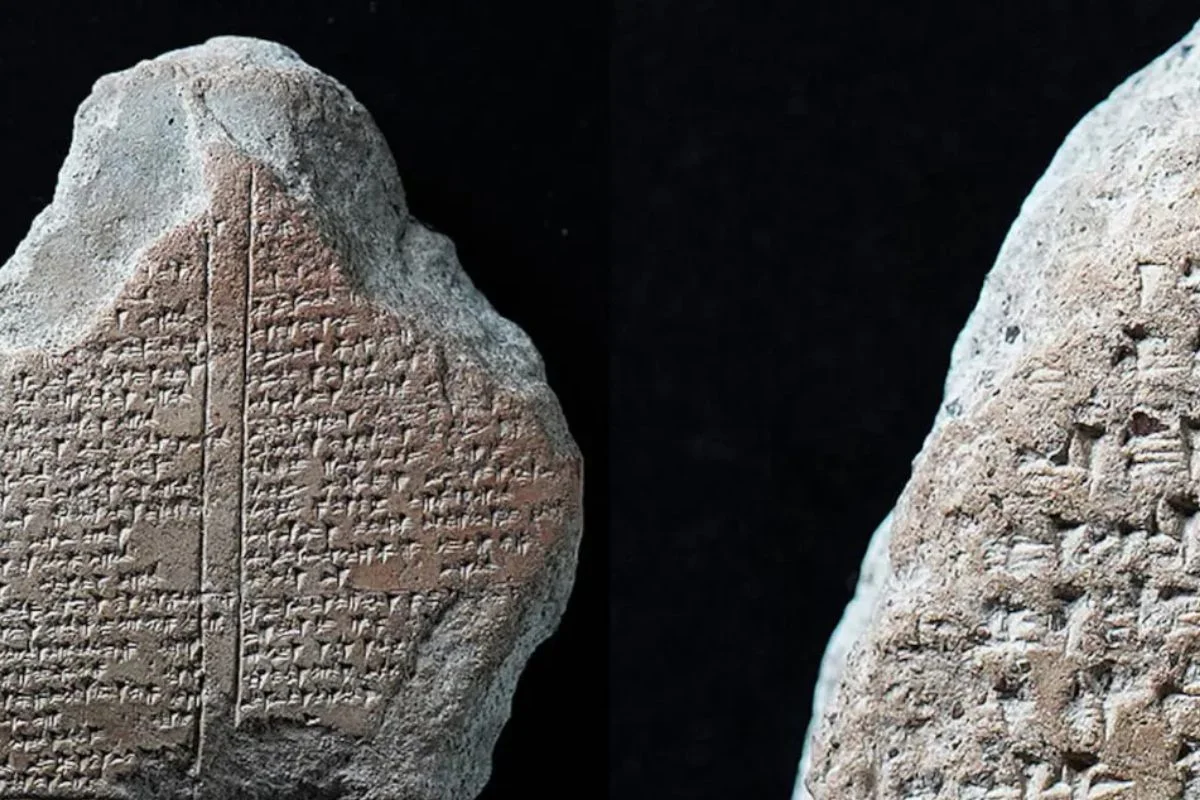
Researchers have developed a cutting-edge AI tool called “Paleographicum” that is changing the way we read and understand ancient clay tablets written in cuneiform. This technique is proving to be revolutionary, especially in the study of thousands of years old clay tablets associated with the Hittite civilization.
How does Palaeographicum work?
Palaeographicum is an advanced pattern-recognition system that can identify subtle variations in cuneiform letters carved into clay. The software analyzes 70,000 digitized photographs, which contain more than 5 million cuneiform characters. AI technology helps researchers by instantly detecting similar or nearly similar script structures.
days work now in minutes
According to Professor Daniel Schwimmer, head of the Department of Ancient Near Eastern Studies at the University of Dürrsburg, this technology is completely changing the way research is done. Whereas earlier it would have taken days to compare a few pieces of soil, now the same task can be completed in a few minutes. This is saving thousands of hours of researchers.
The secrets of Hittite civilization will be revealed
The Hittite civilization flourished in present-day Turkey around 1600 BC. This civilization left a vast amount of written records on clay tablets. Over time these plates broke and their pieces scattered in museums around the world. AI tools are now making ancient documents readable again by connecting these fragments.