The United Nations called the verdict against Bangladesh’s ousted Prime Minister Sheikh Hasina on charges of crimes against humanity a “pivotal moment” for the victims, but expressed regret over the death penalty.
Stephane Dujarric, spokesman for UN chief Antonio Guterres, said in the daily press conference here on Monday that Guterres fully agrees with the stance of UN High Commissioner for Human Rights Volker Turk that ‘we are against the use of death penalty under any circumstances.’
Dujarric was replying to a question on the UN Secretary General’s reaction to Hasina being sentenced to death in absentia by a Bangladeshi court.
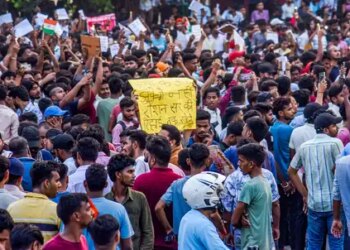
Bangladesh’s International Criminal Tribunal on Monday found Hasina guilty of crimes against humanity committed during mass protests against her government in July last year.
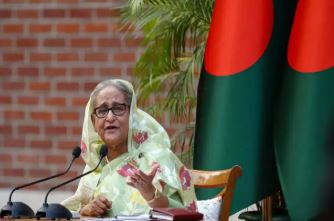
Hasina (78), who has been living in India since the fall of her government in Bangladesh on August 5 last year, has been sentenced to death by the tribunal in her absence. Hasina’s aide and former home minister Asaduzzaman Khan Kamal has also been sentenced to death on similar charges.
Raveena Shamdasani, the UN human rights spokeswoman in Geneva, said in a statement that the tribunal’s ruling against Hasina and the former interior minister “marks an important moment for victims of grave violations committed during the repression of protests last year.” “We also regret the imposition of the death penalty, which we oppose in all circumstances,” he said.