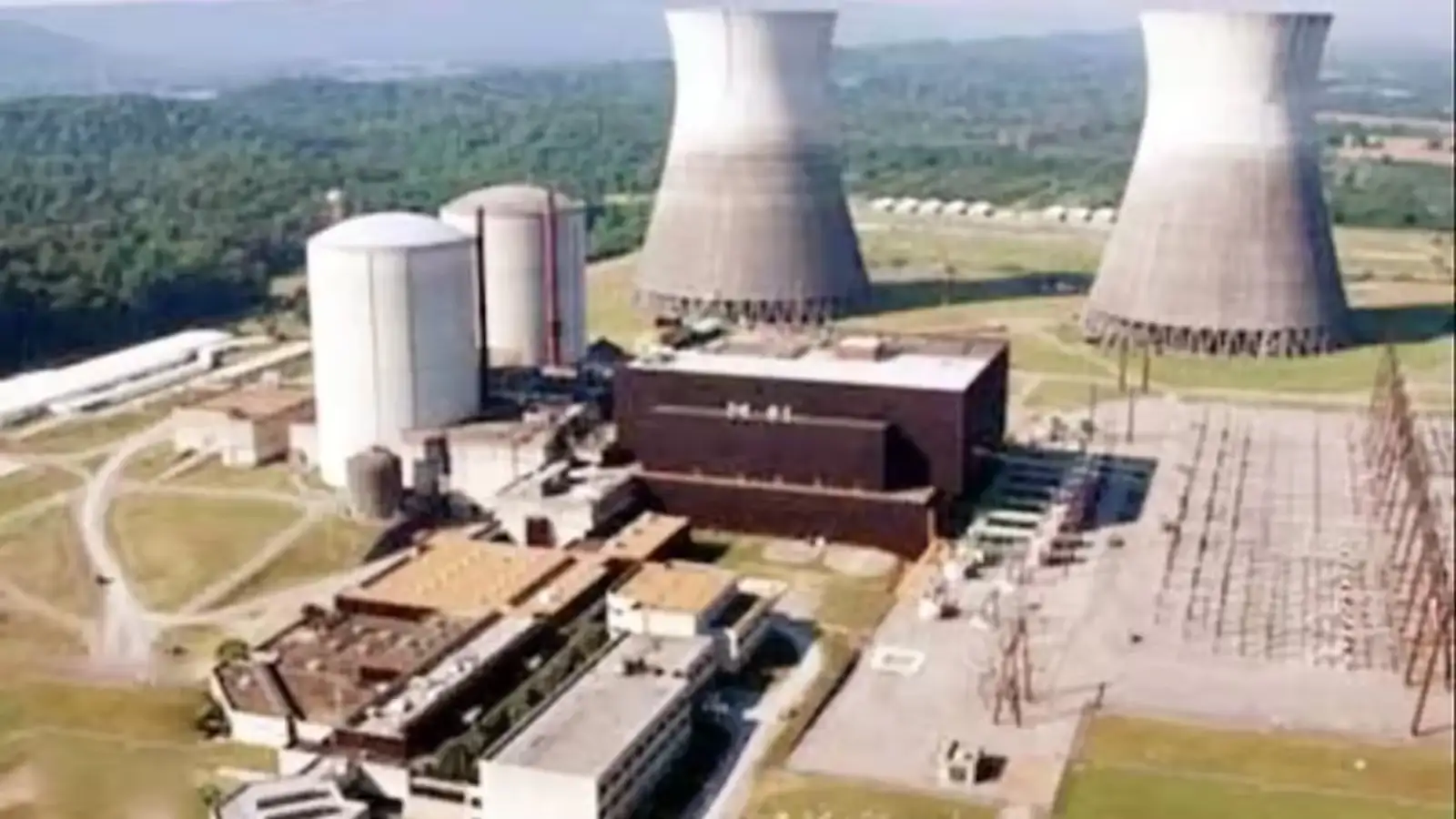
A new energy boom is about to come on the land of Banswara. After Rawatbhata, Rajasthan’s second nuclear power station is being built on the banks of Mahi river. The foundation of a 700 MW indigenous reactor is ready, which will not only make Rajasthan self-reliant in terms of electricity in the coming years, but will also provide relief to the environment by reducing dependence on coal.
The foundation work of the state’s second Mahi-Banswara Rajasthan Nuclear Power Project is underway. Excavation will now begin to install a 700 MW indigenous pressurized heavy water reactor based on the model of Kakrapar Nuclear Power Station in Surat. The process of obtaining approval from the Atomic Energy Regulatory Board is underway. Led by Anushakti Vidyut Nigam (Ashwini), in partnership with Nuclear Power Corporation of India (NPCIL) and National Thermal Power Corporation (NTPCL), the project aims to commission a reactor before 2032. The second, third and fourth units will become operational within a few months. This plant will generate 200 billion (200,000 lakh) units of electricity every year.
This will be a big source of clean energy.
The thing to note is that currently 22 reactors are running in eight nuclear power plants across the country. In the coming time, the eighth nuclear power plant in Banswara will become a major source of clean energy, which will reduce carbon emissions and help in combating climate change. Till now, the demand for electricity in the state has been more than its production. Most of the existing generation plants are coal-fired power plants. The Nuclear Power Plant in Banswara will contribute about 50% of the electricity generation in future, which will significantly increase the electricity self-sufficiency of Rajasthan.
These are special benefits for Vagad
This project will generate employment for the youth of Banswara-Dungarpur and Pratapgarh areas. Under Corporate Social Responsibility (CSR), many initiatives have been taken in education, health, sanitation and skill development, which will lead to balanced development of the surrounding areas. Along with the development of infrastructure such as roads, houses, markets, schools and health facilities, it is estimated that this will provide employment to more than 20,000 people, increase overall economic activities and improve the quality of life.
Fact file…
* Shareholding: NPCIL 51% and NTPCL 49%
* Place: Block Chhoti Sarawan, District Banswara
* Area purchased: 553 hectares
* Capacity: Total 2800 MW
* Units: 4,700-700 MW
* Reactor: Indigenous Pressurized Heavy Water
* Foundation laying work: September 2025
* Target start-up: First unit in 2032
* Consisting of three units, the project will be completed by 2036
* Cost: Around Rs. 42,000 crores
* Employment: More than 20,000 people will be added